 EN
EN

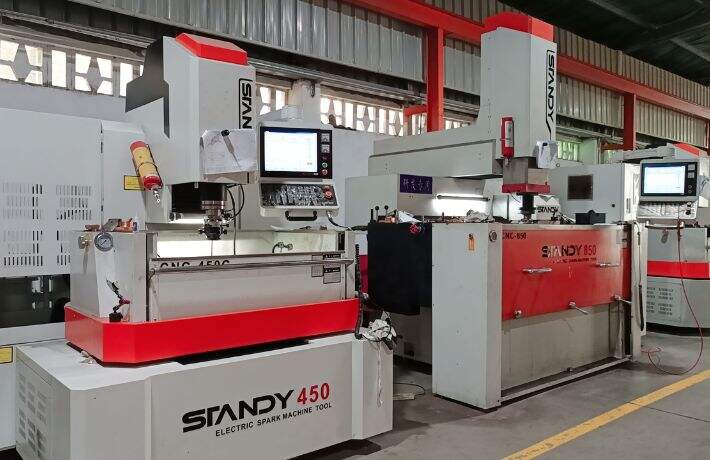
Dunyo bo'ylab ishlab chiqarish sohasida plastik shakllantirish texnologiyasi oddiy ishlab chiqarish jarayonidan sanoatlar tomonidan mahsulotlarni loyihalash, ishlab chiqarish va yetkazib berish usullarini qayta shakllantiruvchi kuchga aylanib borgan. Avtomobilsozlik, yangi energiya, tibbiyot va jismoniy tarbiya sohalari kabi turli sohalarga qo'llaniladigan bu texnologiya — injektsion shakllantirish, rezina-silikon shakllantirish, metall qismlarni plastikka joylashtirish va ko'p materialli kompozit shakllantirish — aniqlik muhandisligi, avtomatlashtirish va materiallar sohasidagi innovatsiyalarni birlashtiradi. Plastik shakllantirish texnologiyasi an'anaviy ishlab chiqarishning cheklovlari bilan qo'llanilmasdan, kengaytiriladigan, loyihalash jihatidan moslashuvchan va xarajatlarga iqtisodiy yondashuv ta'minlaydigan, shuningdek, yuqori samaradorlikka ega va chidamli detallar ishlab chiqaradigan texnologiya hisoblanadi. Plastik qismlarga tayanadigan har bir sanoat uchun plastik shakllantirish texnologiyasi faqatgina ishlab chiqarish vositasi emas, balki innovatsiyalarga sabab bo'ladigan kuchdir; u har bir bosqichda mahsulot sifatini yaxshilash, operatsion samaradorlikni oshirish va bozordagi raqobatbardoshlikni ta'minlaydi.
Avtomobilsozlik va yangi energiya: Ijro va barqarorlikni qayta belgilash
Avtomobil va yangi energiya sohalari plastik shakllantirish texnologiyasi tomonidan eng keng qamrovli o'zgartirilgan sohalardan biridir, chunki bu texnologiya ishlash, xavfsizlik va barqarorlikni muvozanatlashga imkon beradigan yengil vaznli, yuqori mustahkamlikdagi detallarni ishlab chiqarishni ta'minlaydi. Plastik shakllantirish texnologiyasi avtomobillar va energiya uskunalari og'irligini kamaytirish, yoqilg'i samaradorligini va energiya samaradorligini oshirish uchun aniq shakllantirilgan plastik va plastik-metall aralash komponentlar — masalan, asboblar paneli, havoni sovutish teshigi va batareya bloki qopqoqlari — orqali og'ir metall detallarni almashtiradi. Plastik shakllantirish texnologiyasining maxsus tarmog'i bo'lgan qattiq qismlarning plastikka qo'yilishi (hardware insert molding) metall asosni plastik detallarga 98% dan ortiq chiqim darajasi bilan joylashtirib, montaj zanjirini qisqartiruvchi va mahsulot ishonchliligini oshiruvchi mustahkam integratsiyalangan komponentlarni yaratadi. Yangi energiya sohasida plastik shakllantirish texnologiyasi suvga chidamli, yuqori haroratga chidamli zaryadlovchi qurilmalar ulagichlari va batareya korpuslarini ishlab chiqaradi, bu esa qayta tiklanadigan energiya tizimlarining qat'iy funktsional talablariga javob beradi. Shuningdek, plastik shakllantirish texnologiyasining masshtablanish qobiliyati elektr avtomobillar va dunyo bo'ylab quyosh energiyasi infratuzilmasining tez rivojlanishiga mos keladigan ushbu muhim komponentlarning massaviy ishlab chiqarilishini qo'llab-quvvatlaydi.
Tibbiyot va sogʻliqni saqlash: Tartibga solingan muhitda xavfsizlik va aniqlikni oshirish
Plastik shakllantirish texnologiyasi — dunyoning eng qat'iy global normativ talablarga mos keladigan, steril, aniq va arzon komponentlarni yetkazib berish orqali tibbiyot va sog'liqni saqlash sohasini inqilobga uchratdi. Bu texnologiya tibbiyotda ishlatiladigan plastmassalar va silikonlardan tibbiyot qurilmalari korpuslari, steril saqlash idishlari hamda bir martalik tibbiyot qismlarini ishlab chiqaradi; bu esa biyokompatibilnost, hech qanday zaharlanish xavfi yo'qligi va sterilizatsiya qilishning osonligini ta'minlaydi — bu klinik foydalanish uchun asosiy talablardir. Plastik shakllantirish texnologiyasining mikron darajasidagi aniqlik tibbiyot komponentlaridagi bo'shliqlar va tuzilma noaniqliklarini yo'q qiladi, bu esa kontaminatsiya xavfini kamaytiradi va bemorlarning xavfsizligini oshiradi. An'anaviy ishlab chiqarishdan farqli o'laroq, plastik shakllantirish texnologiyasi hech qanday zaif joylari bo'lmagan yagona qismli tibbiyot mahsulotlarini yaratadi; bu ishlab chiqarishni soddalashtiradi va har bir partiyada doimiy sifatni ta'minlaydi. Bundan tashqari, bu texnologiya diagnostika uskunalari komponentlaridan boshlab jarrohlik asboblari korpuslarigacha bo'lgan maxsus tibbiyot qurilmalarini moslashtirish imkonini beradi; shu tufayli ishlab chiqaruvchilar global sog'liqni saqlash etkazib berish zanjirlari uchun zarur bo'lgan samaradorlikni saqlab turish bilan birga, hayotni qutqaruvchi mahsulotlarni ixtiro qilishlari mumkin.
Jismoniy tarbiya va iste'mol tovarlari: Doimiylik, ergonomika va qulaylikni birlashtirish
Plastik shakllantirish texnologiyasi — durabellik xususiyatlariga ega materiallar, ergonomik dizayn va arzon massaviy ishlab chiqarishni birlashtirib, fitnes jihozlari va iste'mol tovarlari sohasini qayta ixtiro qildi. Fitnes jihozlari — masalan, yugurish tranzitorlari, qayiqchilik mashinalari va velosipedlar uchun plastik shakllantirish texnologiyasi — takrorlanuvchi jismoniy kuchlanishga chidamli, biroq yengil va foydalanuvchiga qulay bo'lgan konstruktiv ramkalar, sirpanmas silikon tutqichlar hamda himoya qiluvchi komponentlarni ishlab chiqaradi. U ko'p materialli kompozitlarning integratsiyasini qo'llab-quvvatlaydi: qattiq yuqori mustahkamlikka ega plastiklar bilan mos keladigan silikonni birlashtirib, foydalanuvchining qulayligini va samaradorligini oshiruvchi ergonomik detallar yaratadi. Bolalar o'yinchoqlaridan boshlab uy-ro'zg'or saqlash mahsulotlarigacha bo'lgan iste'mol tovarlarida plastik shakllantirish texnologiyasi global xavfsizlik standartlariga mos keladigan, ijodiy, rang-barang va bolalar uchun xavfsiz dizaynlarga imkon beradi. Plastik shakllantirish texnologiyasining arzonligi har kungi tovarlarning ishlab chiqarish xarajatlarini pasaytiradi va dunyo bo'ylab iste'molchilarga sifatli, durabellikka ega mahsulotlarni yetkazib beradi; shu bilan birga, uning dizayn moslashuvchanligi brendlar uchun bozordagi tendentsiyalarga va mijozlarning afzalliklariga tezda moslashish imkonini beradi.
Elektronika va aviatsiya: Maydonsizlashtirish va yuqori samarali ishlab chiqarish
Plastik shakllantirish texnologiyasi — elektronika va aviatsiya sanoatida, bu yerda maydonsizlik, aniqlik va maksimal ishlash talablari bevosita qo'llaniladi. Elektronika sohasida u televizorlar, soch quritgichlar va mobil qurilmalar komponentlari uchun ixcham, yengil plastik korpuslar, shuningdek, elektr to'g'ri kelishlariga qarshi himoya qiluvchi va qurilmaning xavfsizligini ta'minlovchi elektron izolyatsiya qismlarini ishlab chiqaradi. Plastik shakllantirish texnologiyasining aniqiligi — murakkab ichki elektronikalarni zamonaviy, silliq dizaynlarga mos keladigan, aniq o'lchovli maydonsiz qismlarni ishlab chiqarish imkonini beradi. Aviatsiyada esa plastik shakllantirish texnologiyasi issiqlikga chidamli, urilishga chidamli va og'irligi kam bo'lgan yuqori samarali aviatsiya qismlari hamda o'rindiq sozlash komponentlarini ishlab chiqaradi; bu esa sanoatning qattiq talablari — issiqlikga chidamlilik, urilishga chidamlilik va og'irlikni kamaytirish — bilan mos keladi. Og'ir metall komponentlarni ilg'or shakllantirilgan plastiklar bilan almashtirish yo'li bilan u yoqilg'ining samaradorligini va samolyotning ishlashini oshiradi; shuningdek, murakkab va maxsus geometriyalarni ishlab chiqarish qobiliyati keyingi avlod aviatsiya texnologiyalarini rivojlantirishga hissa qo'shadi.
Sanoat ishlab chiqarish: Foydalanish qulayligi va kengaytirilishni soddalashtirish
Sanoat ishlab chiqarishda plastik shakllantirish texnologiyasi tufayli operatsion samaradorlikda asosiy o'zgarish sodir bo'ldi; bu texnologiya sanoat komponentlarini mustahkam, arzon va ishlab chiqarish jarayonlarini soddalashtirib beradi. U anti-statik saqlash qutilari, sanoat stendlari va zavod jihozlari qismlarini ishlab chiqaradi, bu esa kimyoviy ta'sirga va jismoniy zarbaga chidamli bo'lib, sanoat muhitining qattiq talablariga javob beradi. Plastik shakllantirish texnologiyasining bir joyda amalga oshiriladigan ishlab chiqarish yechimlari — kalıb dizaynidan boshlab post-ishlov berish va montajgacha — bir nechta ishlab chiqarish hamkorlariga ehtiyojni yo'q qiladi, bu esa yetkazib berish muddatlarini va aloqa uzilishlarini kamaytiradi. Zamonaviy plastik shakllantirish texnologiyasining ajralmas xususiyati bo'lgan avtomatlashtirilgan 24-soatlik ishlab chiqarish kuniga 50 000 tagacha mahsulot ishlab chiqarish imkonini beradi; bu esa sanoat ishlab chiqaruvchilarning yuqori hajmli ishlab chiqarish ehtiyojlarini qo'llab-quvvatlaydi va mahsulotlarning 99% sifat standartlariga mos kelish darajasini saqlaydi. Bu moslashuvchanlik va samaradorlik plastik shakllantirish texnologiyasini sanoatda minimal (lean) ishlab chiqarishning asosini tashkil qiladi va zavodlar maydonlarida xarajatlarni kamaytirish va ishlab chiqarish samaradorligini oshirishga hissa qo'shadi.
Plastik shakllantirish texnologiyasi mahsulot dizayni, ishlab chiqarish samaradorligi va ishlash ko'rsatkichlari sohasida nima mumkinligini qayta belgilab beruvchi har bir katta sanoatda o'zgarishlarga yetakchilik qiluvchi ajralmas omilga aylandi. Sog'liqni saqlash sohasidagi tartibga solingan aniqlikdan avtomobilsozlikdagi yuqori hajmli moslashuvchanlikka qadar har bir sohaning o'ziga xos talablari bilan moslasha olish qobiliyati uni innovatsiyalar uchun universal vosita qiladi. Sanoatlar barqarorlik, maydonsizlashtirish va xarajatlarni kamaytirishni yanada takomillashtirish maqsadida harakatlanaverib, plastik shakllantirish texnologiyasi ham ular bilan birga rivojlanib boradi va global ishlab chiqarish kelajagini shakllantirib, ishlab chiqarishdagi progressning boshida turadi.
Mundarija
- Avtomobilsozlik va yangi energiya: Ijro va barqarorlikni qayta belgilash
- Tibbiyot va sogʻliqni saqlash: Tartibga solingan muhitda xavfsizlik va aniqlikni oshirish
- Jismoniy tarbiya va iste'mol tovarlari: Doimiylik, ergonomika va qulaylikni birlashtirish
- Elektronika va aviatsiya: Maydonsizlashtirish va yuqori samarali ishlab chiqarish
- Sanoat ishlab chiqarish: Foydalanish qulayligi va kengaytirilishni soddalashtirish