 EN
EN

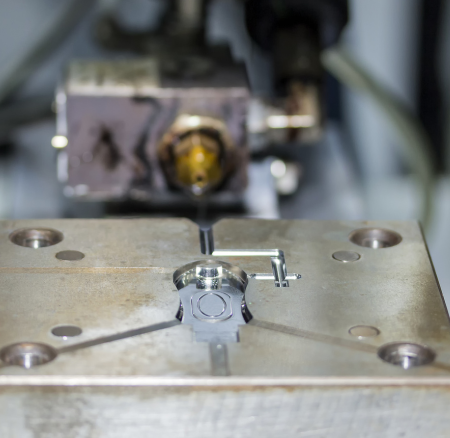
I det moderne fremstillingslandskab er plastformning udviklet langt ud over grundlæggende injektions- og kompressionsprocesser, og konstante innovationer inden for plastformningsteknikker driver uset forbedringer af produktets ydeevne, præcision og alsidighed. Disse fremskridt er tilpasset de krævende krav fra mange forskellige industrier – fra bilindustrien og ny energi til medicinsk udstyr og luftfart – hvor plastkomponenter skal levere fremragende holdbarhed, strukturel integritet og funktionsmæssig effektivitet. Innovationer inden for plastformningsteknikker kombinerer avanceret teknologi, materialer videnskab og automatiseret ingeniørarbejde for at fjerne traditionelle fremstillingsbegrænsninger og muliggøre produktionen af komplekse, højtydende dele, som tidligere var uommulige at fremstille. For producenter er adoptionen af disse innovative plastformningsteknikker ikke blot en opgradering af produktionsprocessen, men også et strategisk skridt mod at skabe produkter, der skiller sig ud ved kvalitet, pålidelighed og ydeevne på globale markeder.
Præcisions-simulation og digital formdesign: Grundlaget for ydeevneinnovation
De mest betydningsfulde innovationer inden for plastformningsteknikker starter i designfasen, hvor digital simulation og præcisionsformteknik omdefinerer, hvordan former oprettes og optimeres. Moderne plastformning udnytter avancerede CAE-værktøjer (Computer-Aided Engineering) og Moldflow-simulation til at kortlægge materialestrøm, afkølingshastigheder og trykforsdeling inden for en form før produktionen begynder. Denne forudsigende designmetode giver ingeniører mulighed for at identificere og løse potentielle fejl—som f.eks. krumning, synkeafmærkninger eller ujævn fyldning—der påvirker reservedelens funktionalitet, hvilket sikrer, at støbeforme er konstrueret til maksimal effektivitet og reservedelens integritet. Desuden strømliner hurtig prototypering og fremstilling af støbeformtegninger inden for 24 timer udviklingscyklussen, hvilket gør det muligt at foretage hurtige iterationer og tilpasse støbeformer specifikt efter de enkelte produkters krav til funktionalitet. Digital støbeformdesign inkluderer også toleranceengineering på mikronniveau, hvilket er afgørende for fremstilling af højpræcise komponenter som medicinsk udstyrshusninger eller batteristikforbindelser til nye energikilder, hvor selv mindste dimensionelle variationer påvirker funktionalitet og sikkerhed. Disse designinnovationer inden for plaststøbningsteknikker danner grundlaget for konsekvent, højkvalitet reservedelfremstilling i stor skala.
Avanceret indstøbning og flermateriale sammensat støbning
En spilændrende innovation inden for plastformningsteknikker er forbedringen af hardware-indstøbning og udviklingen af flermateriale-sammensatte formningsteknikker, hvilket gør det muligt at fremstille integrerede, højtydende komponenter med hybride egenskaber. Den moderne hardware-indstøbning anvender robotpositionering med flere akser samt Moldflow-optimering til at indlejre metalunderlag – kobber, aluminium og rustfrit stål – i plastdele med en uslåelig præcision, hvilket opnår en udbytteprocent på over 98 %. Denne teknik skaber robuste plast-metal-hybridkomponenter, der kombinerer plastikkens letvægtige fleksibilitet med metallets strukturelle styrke, eliminerer behovet for manuel montering og øger komponentens pålidelighed i bil- og elektronikanvendelser. Flermateriale-sammensat formning går endnu et skridt videre ved at tillade samtidig formning af plast, silikone og gummi i én enkelt proces for at fremstille dele med dobbelte funktionelle egenskaber – såsom stødabsorberende silikongreb på stive plastrammer til fitnessudstyr eller vandtætte gummisealing på højstærke plasthuse til batterier til nye energikilder. Disse innovationer inden for plastformningsteknikker eliminerer ydelsesrelaterede kompromiser og skaber komponenter, der leverer de nøjagtige mekaniske, termiske og taktilte egenskaber, som kræves til specifikke brancheanvendelser.
Højhastigheds, automatiseret formning med realtidsproceskontrol
Innovationer inden for plastformningsteknikker fokuserer også på automatisering og realtidsproceskontrol, hvilket forbedrer produktionskonsistensen og delenes ydeevne samtidig med, at produktionen skaleres op. Moderne plastformningsfaciliteter anvender 80–1350 t højhastighedsinjektionsformningsmaskiner i kombination med intelligente kontrollsystemer, der overvåger og justerer centrale produktionsparametre – smeltetemperatur, injektionstryk og afkølingshastighed – med præcis nøjagtighed i hver cyklus. Denne realtidsoptimering sikrer, at hver enkelt del fremstilles efter de samme specifikationer, hvilket eliminerer ydeevnevariationer, som ofte er et problem ved manuelle fremstillingsprocesser. Automatiseret udtagning af dele, afgrædning og efterbehandling yderligere rationaliserer produktionen, reducerer menneskelige fejl og sikrer, at efterbehandlingsprocesser ikke kompromitterer de formede delees strukturelle eller funktionelle ydeevne. 24-timers ubrudt produktion, som muliggøres af disse automatiserede plastformningsteknikker, sikrer også en konstant materialestrøm og afkøling – afgørende faktorer for at opretholde de mekaniske egenskaber ved højtydende plastmaterialer såsom ABS og forstærket nylon. Ved storseriefremstilling balancerer denne automatisering hastighed og ydeevne og leverer ti tusinde højkvalitetsdele dagligt uden at ofre præcision eller holdbarhed.
Specialiseret formgivning til elastomere og højtydende plastik
En anden vigtig innovation inden for plastformningsteknikker er tilpasning af processer til elastomere (gummi og silikone) samt avancerede tekniske plastmaterialer, hvilket åbner nye muligheder for ydeevne inden for industrier, der kræver fleksible, hedtbestandige eller kemikaliebestandige komponenter. Traditionelle formningsmetoder havde svært ved at tilpasse sig de unikke flyde- og hærdeegenskaber, som silikone og gummi har, men moderne plastformningsteknikker omfatter tilpassede injektions-, ekstrusions- og kompressionsprocesser, der er specielt udviklet til disse materialer. Disse specialiserede processer sikrer ensartet hærdning, minimal spild og konsekvent elasticitet for elastomerkomponenter såsom bilforseglinger, tætningsringe til medicinsk udstyr og isoleringsdele til elektronik – alle kræver fremragende ydeevne i krævende eller følsomme miljøer. For højtydende plastmaterialer omfatter innovationerne inden for plastformningsteknikker højtemperaturformningsprocesser, der bevarer materialets strukturelle integritet og hedtbestandighed – en afgørende egenskab for batteripakkehuse til ny energi og luftfartskomponenter, der skal klare ekstreme temperaturer og mekanisk påvirkning. Ved at tilpasse formningsprocesser til de unikke egenskaber ved avancerede materialer sikrer disse innovationer, at plastkomponenter leverer den maksimale mulige ydeevne til deres tilsigtede anvendelse.
Kvalitetskontrol med lukket kreds til sikring af ydeevne
Innovationer inden for plastformningsteknikker suppleres af kvalitetskontrolsystemer med lukket kreds, der integrerer ydeevnetests i alle produktionsfaser, således at hver formstøbte del opfylder strenge ydeevnestandarder. Denne integrerede kvalitetskontrol omfatter IQC (kontrol af indkøbte materialer) for højtydende plastikker og elastomere, IPQC (kvalitetskontrol under processen) med realtidsmåling af dimensioner og strukturel test samt FQC (endelig kvalitetskontrol) til validering af ydeevnen efter formningen – alt sammen i overensstemmelse med ISO 9001-certificering. Eventuelle afvigelser fra ydeevnespecifikationerne identificeres og rettes i realtid, hvilket reducerer antallet af defekte dele og sikrer, at kun komponenter med optimal ydeevne når frem til markedet. Denne kvalitetskontrolinnovation omdanner plastformningsteknikkerne til en proces med garanteret ydeevne, hvor hver enkelt fase er optimeret for at levere konsekvente, højkvalificerede resultater til de mest krævende industrielle anvendelser.
Innovationer inden for plastformningsteknikker har transformeret plast fra et grundlæggende fremstillingsmateriale til en højtydende løsning, der driver innovationen inden for alle større industrier. Fra digital formdesign og flermaterialeformning til automatiseret proceskontrol og specialiseret elastomerbehandling eliminerer disse fremskridt traditionelle begrænsninger og gør det muligt at fremstille komponenter med overlegen holdbarhed, præcision og funktionalitet. Mens industrierne fortsat kræver højere ydeevne fra deres plastdele, vil udviklingen af plastformningsteknikker forblive i spidsen for fremstillingsinnovation, hvilket åbner nye muligheder for produktudformning, ydeevne og pålidelighed.
Indholdsfortegnelse
- Præcisions-simulation og digital formdesign: Grundlaget for ydeevneinnovation
- Avanceret indstøbning og flermateriale sammensat støbning
- Højhastigheds, automatiseret formning med realtidsproceskontrol
- Specialiseret formgivning til elastomere og højtydende plastik
- Kvalitetskontrol med lukket kreds til sikring af ydeevne