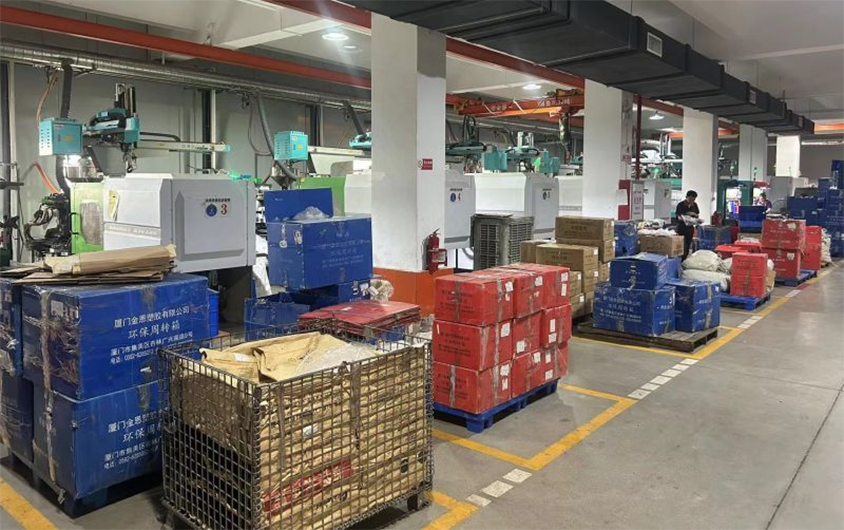
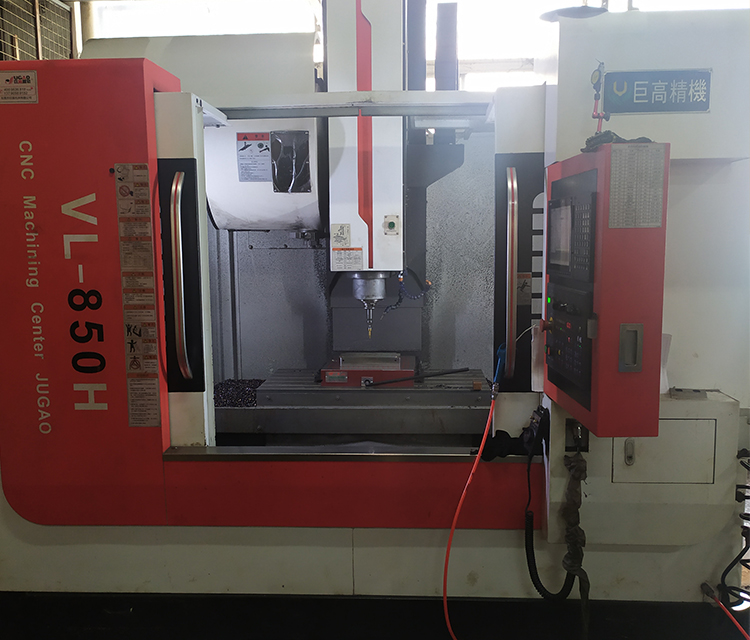
Technological innovation within the plastic injection mould sector continues to redefine manufacturing possibilities, with industry expenditure on research and development reaching USD 3.2 billion annually according to recent market analysis. This substantial investment reflects the strategic importance of advancing mould technologies to meet evolving application demands across diverse industrial sectors. A plastic injection mould constitutes far more than a simple container for shaping plastic; it represents an integrated system of precision components including cavities, cores, ejection mechanisms, cooling channels, and venting pathways that must function in perfect harmony under extreme conditions. The complexity of these systems has increased substantially with the adoption of multi-material molding, in-mold assembly, and micro-scale features that push the boundaries of manufacturing capability. The engineering precision required for modern injection moulds begins with thermal management systems that precisely control cooling rates to optimize cycle times and minimize part stress. Advanced conformal cooling channels, made possible through additive manufacturing techniques, follow the contours of mould surfaces to extract heat more efficiently than traditional drilled channels. This innovation can reduce cooling time by 30-50% according to industry studies, representing a significant competitive advantage in high-volume production environments. The economic impact of such improvements becomes substantial when calculated across millions of cycles, highlighting why leading manufacturers continuously invest in thermal management optimization. Material selection represents another critical dimension of mould engineering, with progressive manufacturers maintaining inventories of premium steel grades from international suppliers. The correlation between steel characteristics and application requirements forms a fundamental aspect of technical planning. High-carbon, high-chromium steels provide superior wear resistance for abrasive composites, while pre-hardened steels offer economic advantages for prototype tools or lower-volume production. For corrosive applications, stainless steel moulds prevent degradation while maintaining critical surface finishes. The industry has witnessed particularly strong demand for corrosion-resistant moulds in medical and packaging applications, which collectively represent over 35% of the precision mould market according to recent sector analysis. The evolution of mould manufacturing techniques has been equally transformative. High-speed machining centers capable of maintaining micron-level accuracy at elevated feed rates have reduced lead times while improving surface quality. Electrical discharge machining continues to advance in precision and automation, enabling complex geometries that would be impossible to produce through conventional milling. Simultaneously, the integration of coordinate measuring machines with computer-aided design data has established new standards for dimensional verification, with first-article inspection reports providing comprehensive validation before production commencement. These technological advancements collectively contribute to reducing time-to-market for new products while ensuring consistent quality standards. Industry 4.0 implementation represents the most significant recent development, with smart moulds incorporating sensors to monitor temperature, pressure, and wear in real-time. This data integration enables predictive maintenance scheduling, reducing unplanned downtime by up to 45% according to manufacturing studies. The connectivity between mould, machine, and manufacturing execution systems creates a digital thread that optimizes the entire production ecosystem. Leading manufacturers are leveraging these capabilities to offer customers unprecedented transparency through real-production monitoring and automated quality reporting. The global market distribution highlights Asia's dominance in mould manufacturing, with China accounting for approximately 40% of worldwide production capacity. This concentration reflects decades of strategic investment in manufacturing infrastructure and technical education. The regional specialization has created ecosystems of complementary services including precision machining, heat treatment, and surface coating facilities that support the industry's complex supply chain requirements. Recent global events have prompted manufacturers to enhance supply chain resilience through diversified material sourcing and increased inventory buffers for critical components. For specific pricing structures tailored to unique project parameters, we encourage direct communication with our technical sales team to develop customized quotations.