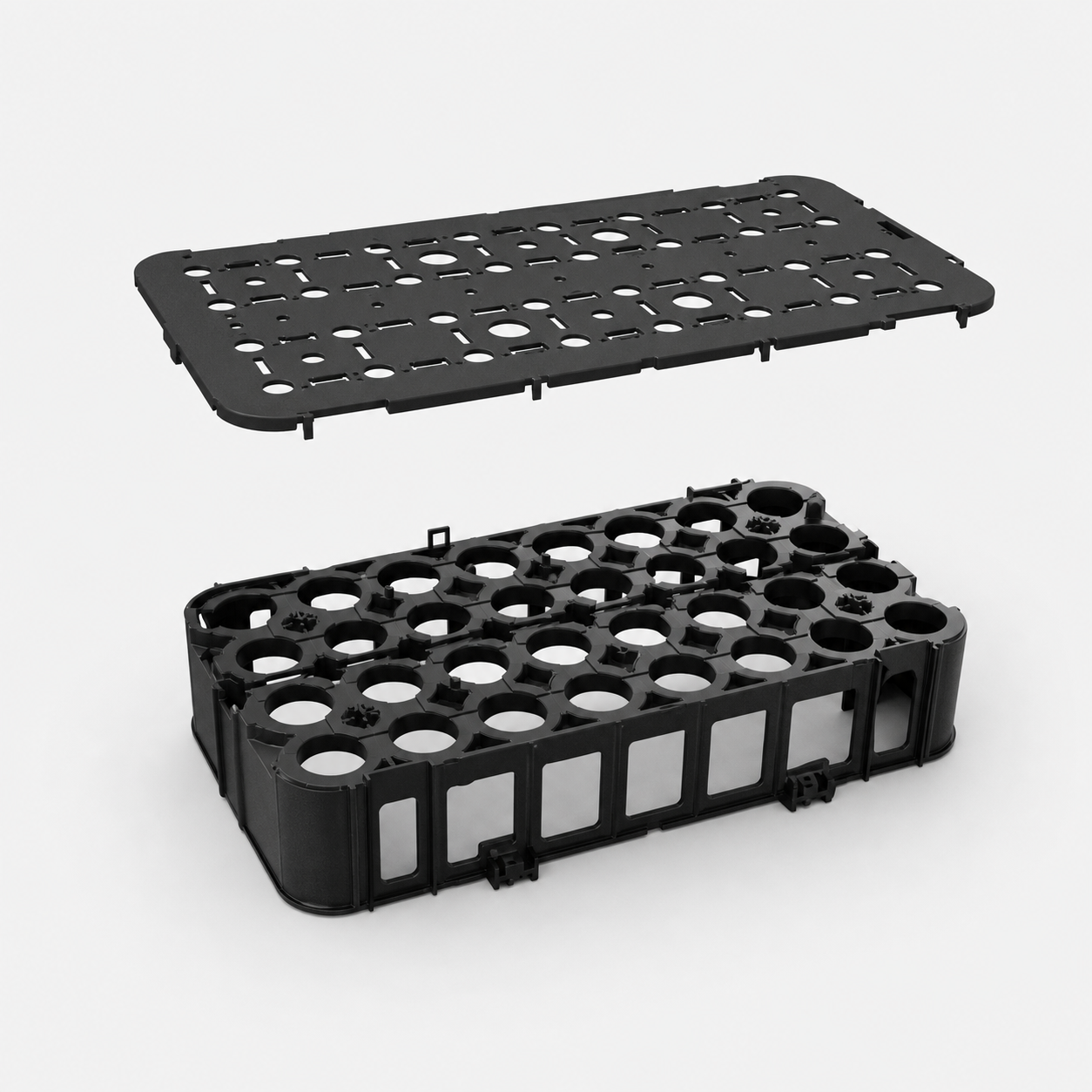
Construction and Infrastructure: Lightweight Structural Components High-Stiffness Enclosures for Traffic Control Systems Structural foam injection molding produces enclosures with a dense outer skin and cellular core—delivering stiffness-to-w...
VIEW MORE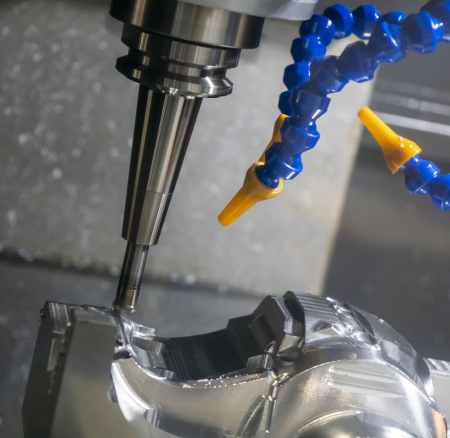
Design for Uniform Wall Thickness and Structural Symmetry In plastic injection molding, wall thickness consistency is the single most influential design factor for preventing warpage. When a part cools, each region shrinks according to its local th...
VIEW MORE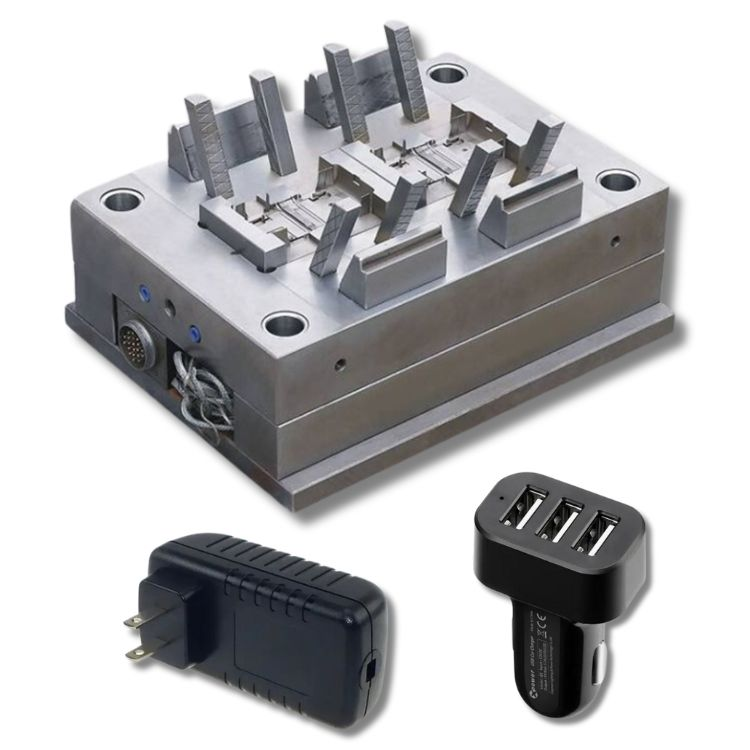
Material and Geometry Versatility of Injection Molding Compatibility with 25,000+ Thermoplastic, Elastomeric, and Engineering Resins Injection molding’s foundational versatility stems from its compatibility with over 25,000 thermoplastic, ela...
VIEW MORE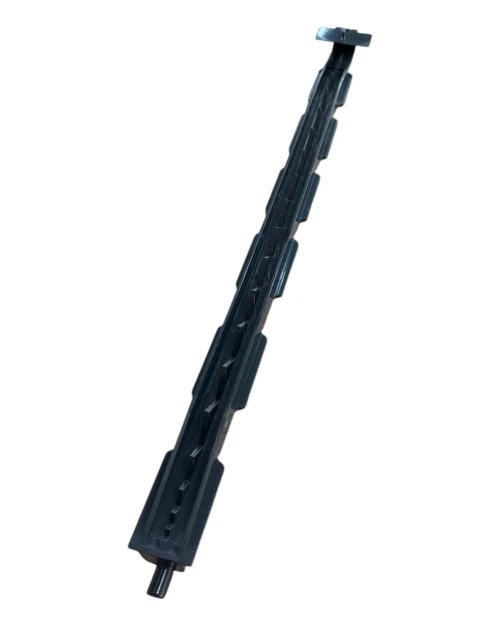
Dimensional Accuracy and Shrinkage Control in Custom Plastic Parts How Mold Temperature Drives Polymer-Specific Shrinkage Behavior Mold temperature is a primary lever for controlling dimensional accuracy in custom plastic parts—because shrink...
VIEW MORE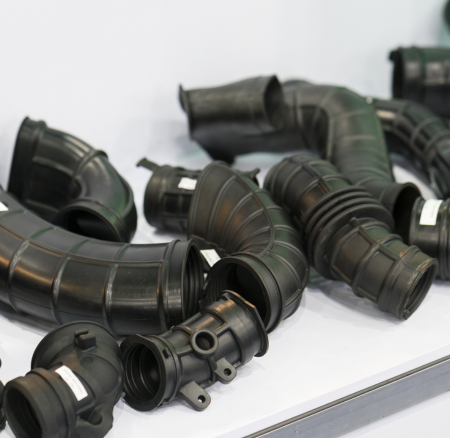
Accelerating Iteration: From Prototype to Production with Injection Molding Service Bridging the prototyping gap: Fast-turn mold fabrication (under 15 days) for functional validation Traditional production tooling can take months—creating a c...
VIEW MORE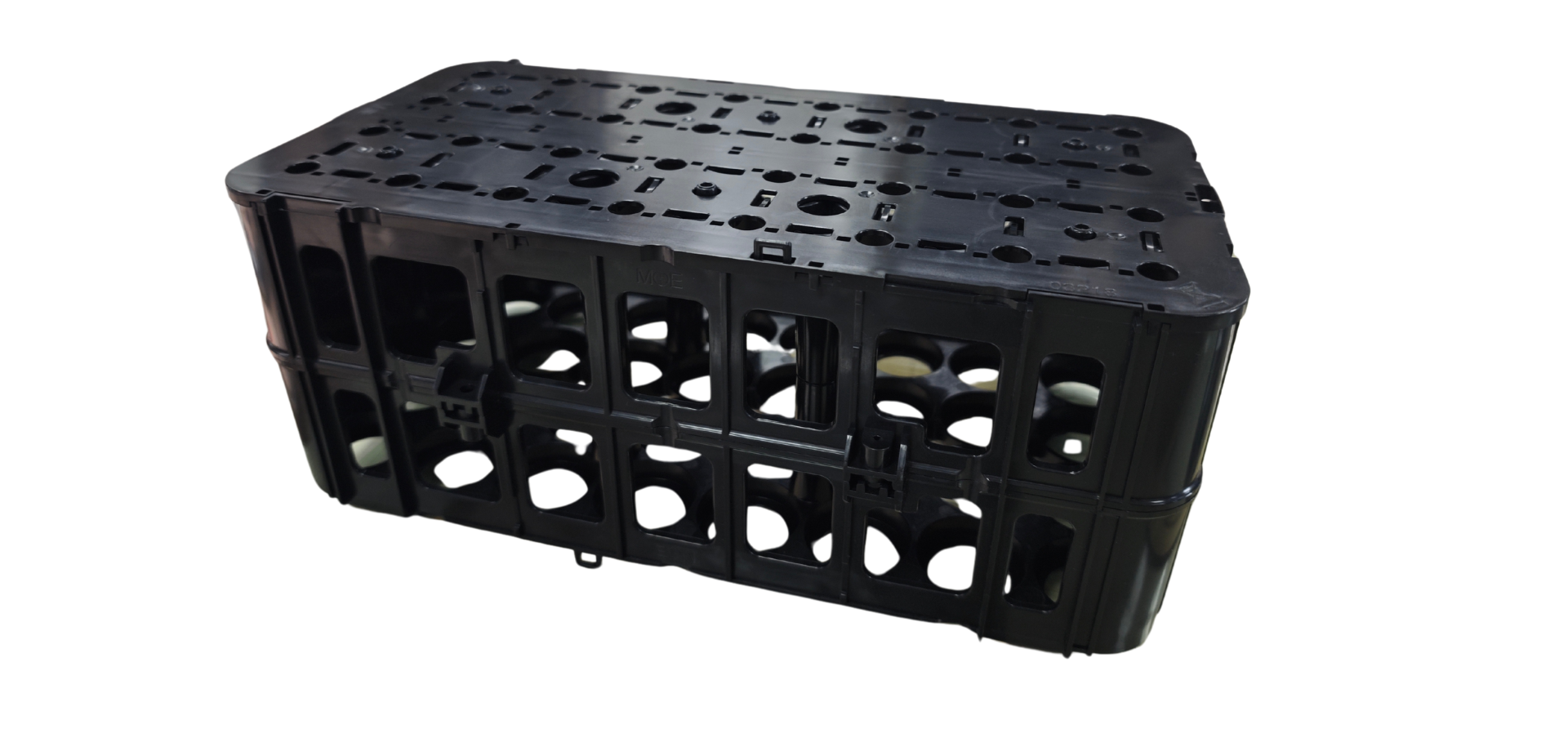
Ubiquity of Plastic Injection Molding Across Consumer Products High-volume categories: electronics housings, kitchenware, personal care items, and home appliances Plastic injection molding is the dominant manufacturing method for high-volume consum...
VIEW MORE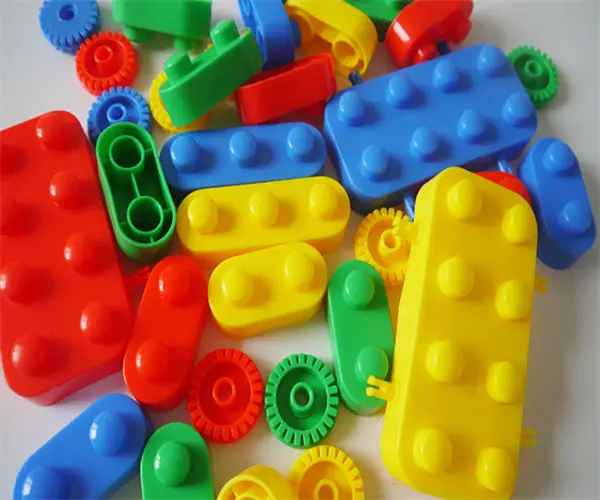
Optimize Mold Surface Quality and Tooling Preparation The surface finish of plastic parts begins with meticulous mold surface preparation. Every deviation on the tool—whether a micro-scratch or texture irregularity—is faithfully transfe...
VIEW MORE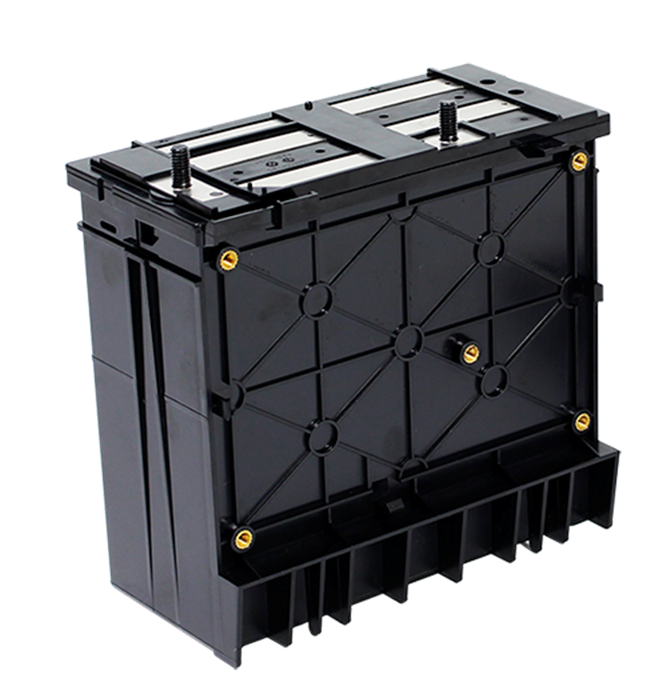
Essential Plastic Parts Inspection Methods for High-Volume OrdersVisual Inspection and Surface Defect Detection in Plastic PartsVisual inspection is the frontline method for identifying surface defects in plastic parts—such as scratches, sink marks, ...
VIEW MORE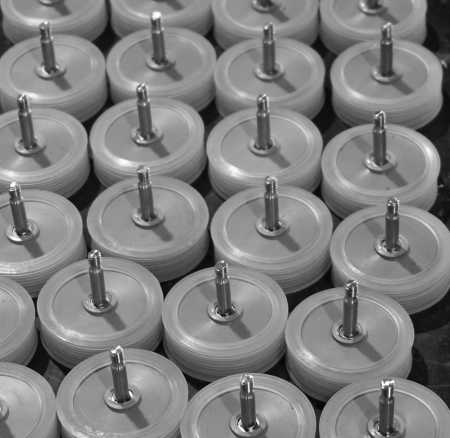
Material Selection for Custom Plastic Parts: EMI Shielding, Thermal Stability, and Regulatory Compliance EMI/RFI Shielding and Static Dissipation in Custom Plastic Parts for Sensitive Electronics Standard thermoplastics are inherently transparent t...
VIEW MORE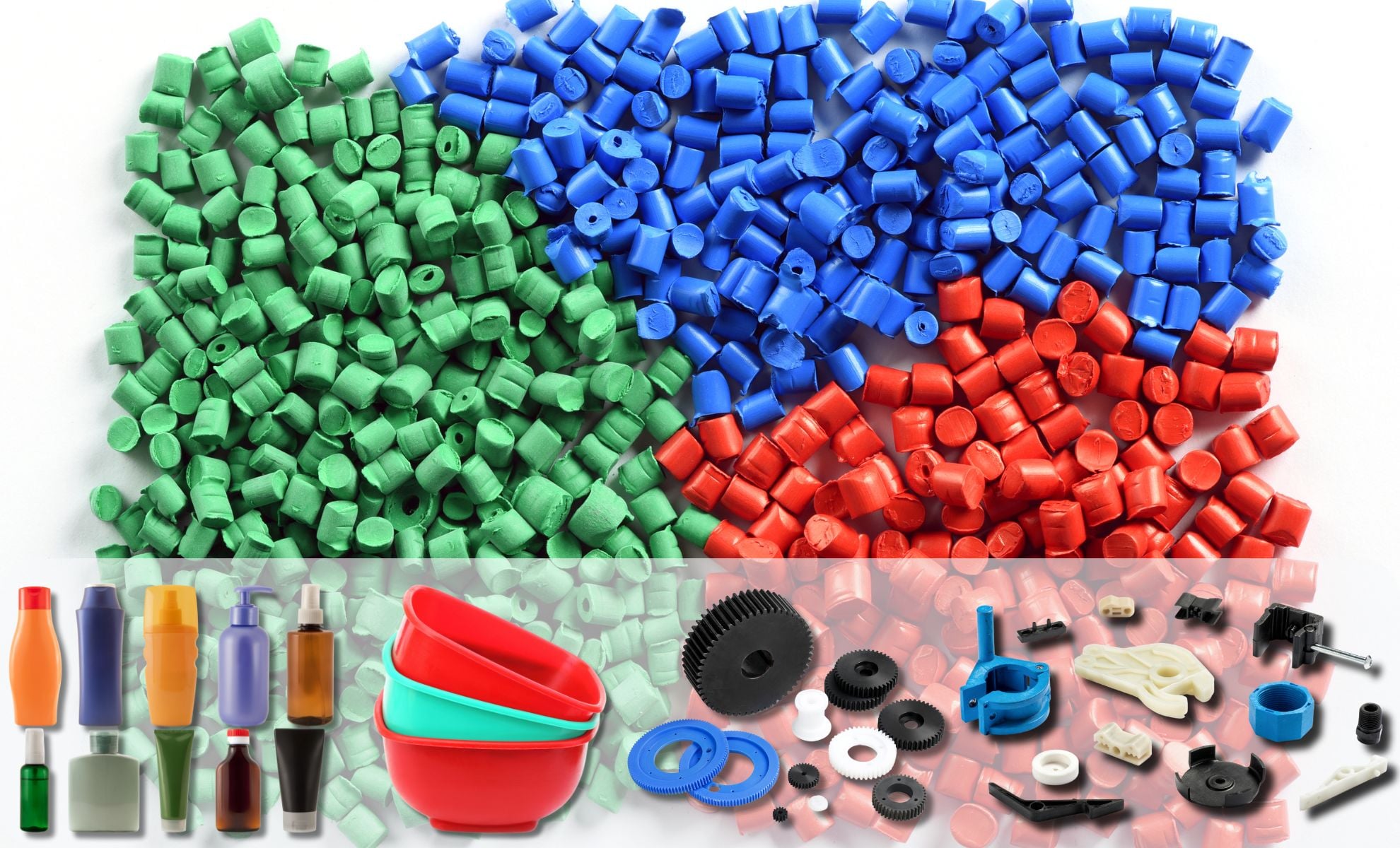
Core Performance Requirements for Plastic Injection Molding in Automotive ApplicationsAutomotive components made via plastic injection molding must withstand extreme operating conditions over long service lives. Three critical performance areas—therm...
VIEW MORE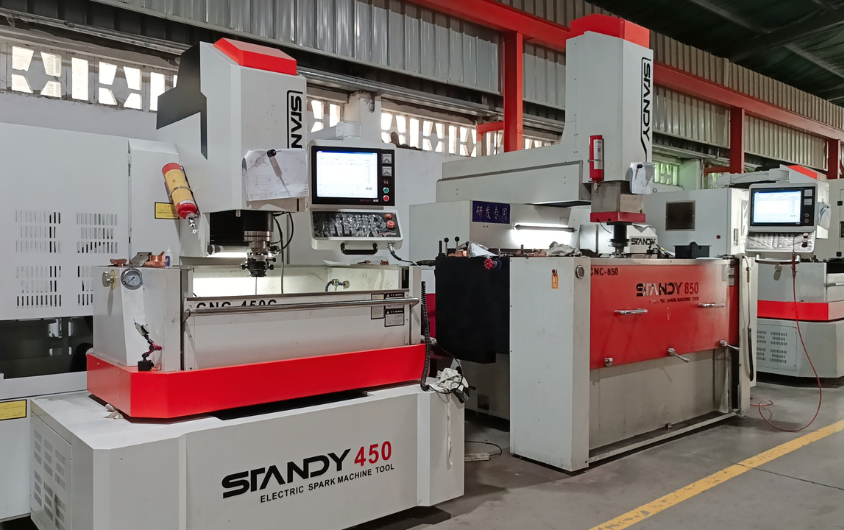
Why Industrial Applications Demand Custom Injection Mold SolutionsIndustrial manufacturing environments impose unique demands that standard molding approaches often fail to meet. Off-the-shelf molds are designed for generic part geometries and common...
VIEW MORE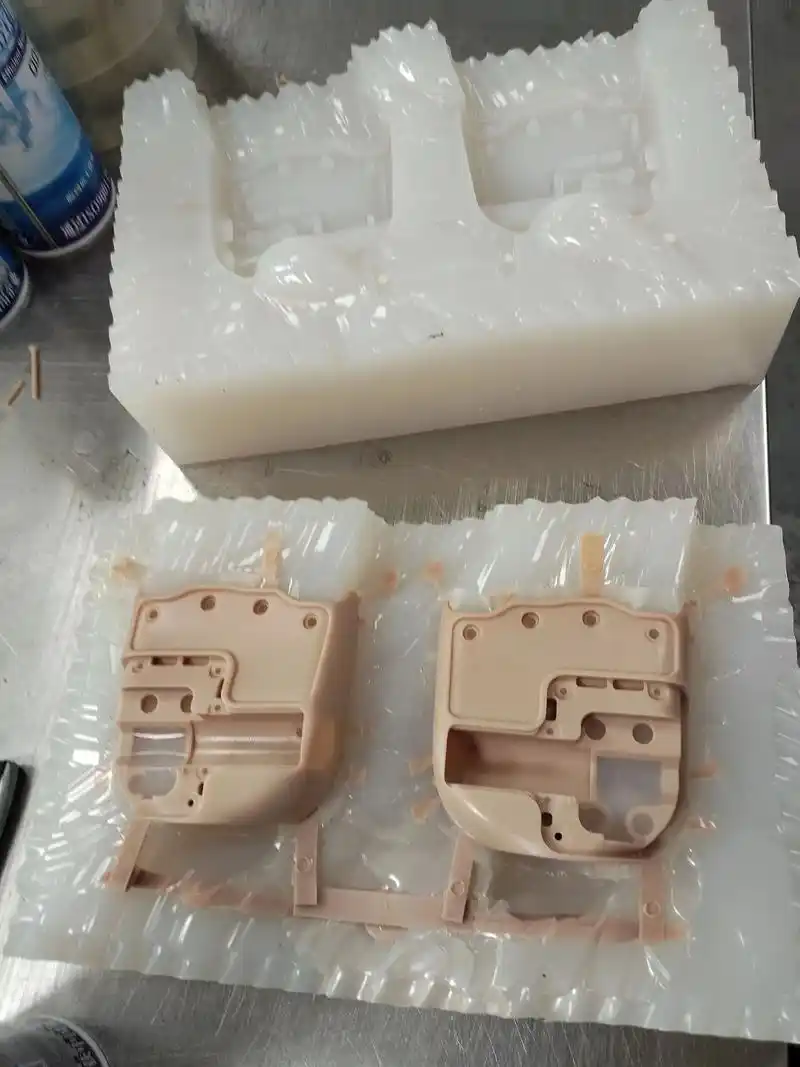
Core Tool Steel Selection and Heat Treatment for Injection Mold LongevityComparing P20, H13, and S136: Cycle life, corrosion resistance, and thermal stability in real-world injection mold applicationsSelecting the right tool steel is the single most ...
VIEW MORE EN
EN