 EN
EN

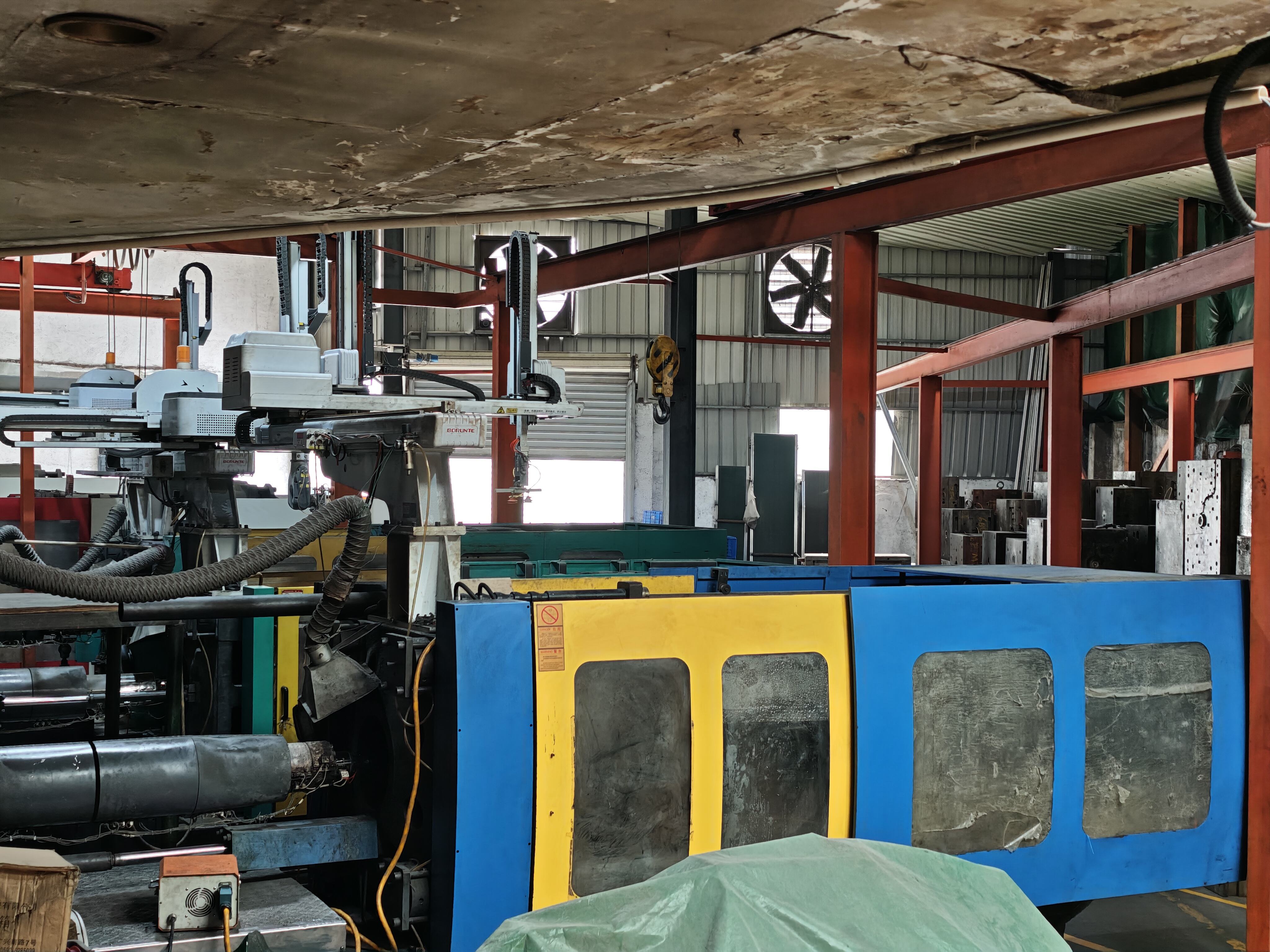
In the global manufacturing landscape, plastic injection molding stands as a cornerstone process for producing high-volume, precision components across industries from automotive and medical to consumer goods and new energy. What sets this manufacturing method apart is its unparalleled ability to deliver consistent product quality, a critical factor for businesses aiming to meet strict industry standards and customer expectations. Injection molding plastic is not merely a production technique; it is a quality-assured solution that minimizes variability, optimizes material performance, and guarantees uniformity in every finished part.
Precision Mold Design: The Foundation of Quality Stability
The stability of injection molding plastic products begins with mold design and manufacturing, the backbone of the entire process. Precision molds, crafted with advanced CNC machining and engineered to micron-level tolerances, ensure that every molten plastic injection replicates the exact shape, size, and surface finish of the desired component. Experienced engineering teams leverage mold flow simulation to optimize gate placement, cooling channel layout, and material flow paths, eliminating common defects like short shots, warpage, or sink marks before production begins. Custom mold design for injection molding plastic also accounts for material characteristics—whether high-strength ABS, heat-resistant PC, or flexible silicone—ensuring the mold aligns with the plastic’s melting point, shrinkage rate, and flow behavior. This proactive design approach eliminates production variability, laying the groundwork for consistent quality across thousands of production cycles.
Rigorous Process Control for Unwavering Consistency
Injection molding plastic’s quality stability is further reinforced by real-time, data-driven process control. Modern injection molding machines, ranging from 80t to 1300t in clamping force, feature intelligent systems that monitor and adjust core parameters—including melt temperature, injection pressure, hold time, and cooling speed—with pinpoint accuracy. These systems maintain parameter consistency within ±5% tolerance, preventing the quality fluctuations that plague manual manufacturing processes. Additionally, a structured quality control framework, including incoming material inspection (IQC), in-process quality checks (IPQC), and final product inspection (FQC), ensures every stage of injection molding plastic production adheres to strict standards. Raw materials are sourced only from certified suppliers, with rigorous testing for purity and performance, while in-process sampling verifies dimensional accuracy and surface quality. Post-production deburring and finishing processes add a final layer of quality assurance, ensuring no defective parts reach the market.
Material Expertise and Technological Advancement
The synergy of high-quality raw materials and advanced injection molding technology is another pillar of product quality stability. Injection molding plastic processes utilize high-strength, industry-grade plastics tailored to application requirements—e.g., impact-resistant materials for automotive parts, food-safe plastics for consumer containers, and biocompatible options for medical devices. Manufacturers with deep material expertise select and process plastics to maximize their inherent properties, ensuring finished products meet mechanical, thermal, and chemical resistance standards. Technological advancements such as hardware insert molding, multi-material composite assembly, and 24-hour continuous production further enhance quality stability. Insert molding, for example, uses precise robotic positioning to integrate metal components with plastic, achieving a yield rate of over 98% and eliminating assembly-related defects. These technologies, paired with ISO 9001-certified production systems, create a closed-loop quality management process for injection molding plastic, where every step is optimized for consistency.
Why Injection Molding Plastic Delivers Unmatched Quality Stability
Unlike traditional manufacturing methods, injection molding plastic is a highly automated, repeatable process that reduces human error and maximizes efficiency. Its ability to produce identical parts at scale—up to 50,000 pieces per day—without compromising quality makes it the preferred choice for global manufacturers. From the initial mold design to the final finished product, every aspect of injection molding plastic is engineered for stability, with continuous process optimization and quality control ensuring that each component meets the same high standards. For industries where product reliability is non-negotiable, injection molding plastic is not just a production method; it is a strategic investment in consistent, high-quality output that drives brand trust and long-term business success.