 EN

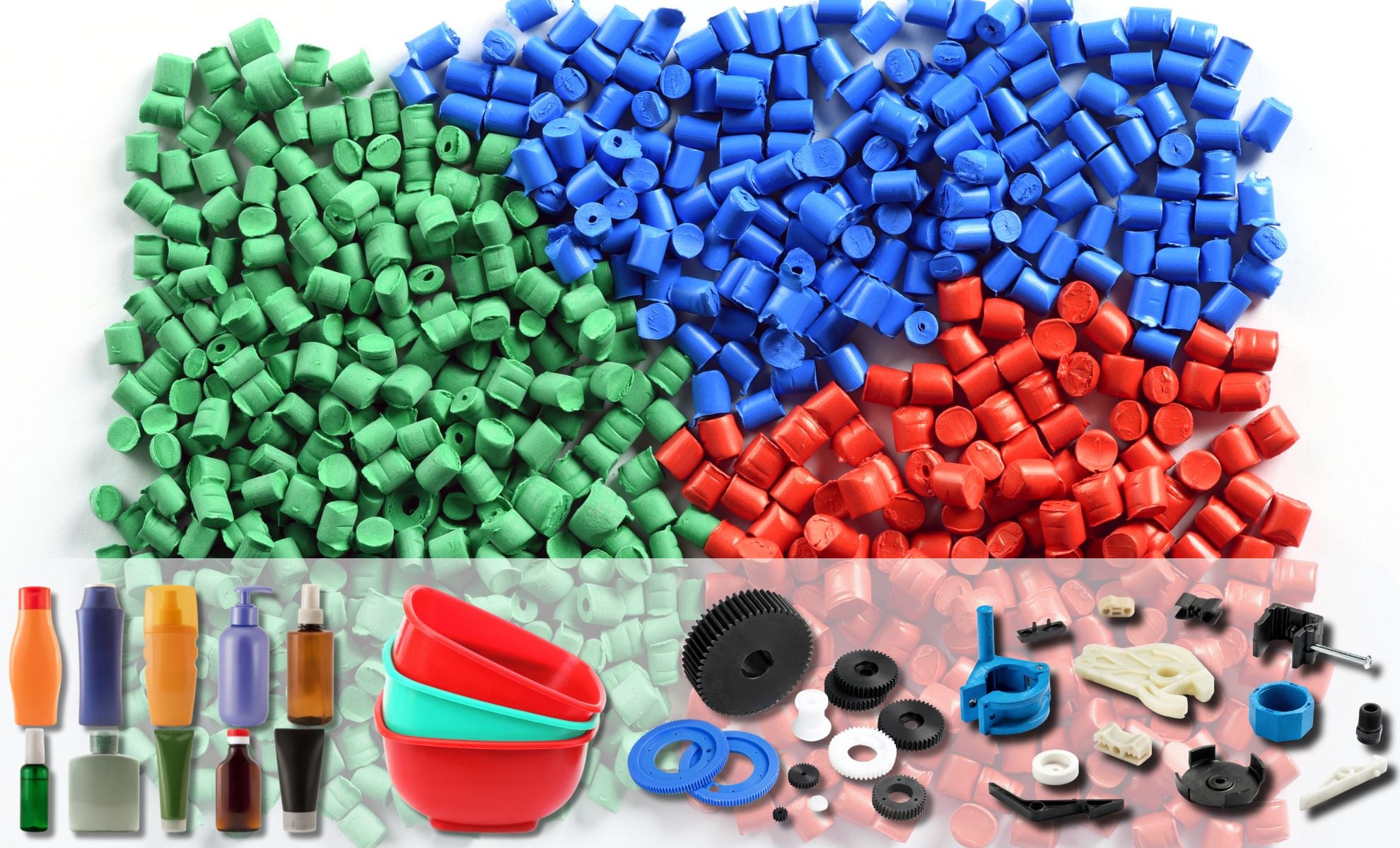
Why High-Performance Plastic Products Are Replacing Metals in Aircraft Components
The aerospace industry’s relentless drive for fuel efficiency and lower emissions has propelled a strategic shift away from metals toward advanced plastic products that slash component weight while maintaining structural integrity. This evolution rests on two pillars: a material-science revolution and a rigorous regulatory framework that ensures airworthiness.
Material Shift: From Aluminum to Engineered Thermoplastics (PEEK, PEI, PPS) and Composites
Engineered thermoplastics such as polyetheretherketone (PEEK), polyetherimide (PEI), and polyphenylene sulfide (PPS) now rival aluminum in critical aircraft applications. With densities roughly half that of aluminum, they deliver superior strength-to-weight ratios—directly reducing fuel burn. When reinforced with carbon or glass fiber, their mechanical performance often exceeds that of the metal parts they replace, particularly in fatigue resistance.
Thermal and chemical stability further distinguish these materials: PEEK retains mechanical integrity at continuous operating temperatures above 300 °F (149 °C); PPS offers inherent flame retardance and exceptional resistance to hydraulic fluids and de-icing agents. Crucially, they enable design consolidation—complex, thin-wall geometries that would be cost-prohibitive to machine from metal can be injection-molded in a single step, cutting assembly part counts by 30–50%. The result is a lighter, simpler, and more durable aircraft component that advances sustainability goals without compromising performance.
Regulatory Validation: FST Compliance and Certification Pathways for Plastic Products Under FAR 25.853
Replacing metal with plastic in cabin or airframe components requires rigorous fire-safety validation. Federal Aviation Regulation (FAR) 25.853 sets strict limits for flammability, smoke density, and toxicity (FST) of interior materials. High-performance thermoplastics like PEI and PPS frequently meet these standards inherently; PEEK-based compounds can be formulated with flame-retardant additives to achieve compliance.
Certification begins with standardized material screening tests—including the 60-second vertical Bunsen burner test and the Ohio State University (OSU) heat release rate measurement—at FAA-accredited laboratories. Once validated, the material may be incorporated into component designs and submitted for FAA approval via Parts Manufacturer Approval (PMA) or Supplemental Type Certificate (STC). Many leading material suppliers now offer pre-qualified data packages aligned with FAR 25.853, accelerating certification and reinforcing confidence in high-performance plastic products for next-generation aircraft.
Weight Reduction Through Design Integration and Part Consolidation
Injection Molding Advantages: Thin-Wall Geometries, Integrated Features, and 40% Fewer Parts per Assembly
Injection molding delivers weight savings far beyond simple material substitution—by enabling radical simplification of assemblies. Engineers consolidate multi-piece metal brackets, housings, and fasteners into single, high-strength plastic components. Thin-wall designs reduce mass without sacrificing stiffness, while ribs, bosses, and snap-fit features are molded directly into the part—eliminating screws, clips, and secondary joining steps.
This integration slashes not only weight but also production complexity: industry experience confirms that thoughtful part consolidation routinely reduces subassembly part count by 40%, removing fastener mass, overlapping flanges, inventory overhead, labor, and potential failure modes. For aircraft interiors—where hundreds of such components exist—the cumulative effect translates directly into measurable fuel burn reduction over the airframe’s service life.
Real-World Impact: Verified Weight Savings in Modern Aircraft Programs
Airbus A350 XWB: Injection-Molded Ducts and Brackets Delivering 25–30% Weight Reduction vs. Aluminum
The Airbus A350 XWB program demonstrates the real-world impact of high-performance thermoplastics: injection-molded ducts and brackets—typically made from filled PPS or PEI—replace machined aluminum equivalents with 25–30% weight reduction (Aerospace Materials Benchmark 2023). These complex, thin-wall geometries are unachievable through casting or stamping in metal. A single 1.2 kg aluminum bracket replaced by a 0.84 kg molded version saves approximately 0.5 tonnes of CO₂ over the aircraft’s service life, according to fleet life-cycle models. Molded components also eliminate secondary finishing steps like deburring and anodizing, lowering per-part production cost—while integrated designs maintain torque retention and vibration resistance at altitude.
Boeing 787 and Next-Gen Programs: 68% Adoption Rate of Plastic Products for Non-Structural Interior Components
In next-generation wide-body programs—including the Boeing 787—high-performance thermoplastics now account for 68% of non-structural interior components by part count (Advanced Cabin Materials Survey 2024). Stowage bins, life vest panels, air grilles, and seat shrouds previously made from aluminum or thermoset laminates have been successfully replaced with injection- and thermoformed thermoplastics certified to FAR 25.853. A single aisle-class seat back molded in glass-filled polycarbonate weighs 40% less than its earlier composite-metal hybrid—enabling two additional passengers per flight without exceeding payload limits. Further, these cabin plastic parts support circularity: they can be regranulated and reused in non-visible applications, aligning with aviation’s growing commitment to sustainable end-of-life management. Combined, the benefits—fuel savings, simplified assembly, and recyclability—make thermoplastic adoption a cornerstone of modern aviation lightweighting.
FAQ
Why are plastic products replacing metals in aircraft components?
Plastic products provide significant weight savings, improved fuel efficiency, and lower emissions while maintaining structural integrity. They often outperform aluminum in strength-to-weight ratios and offer greater design flexibility.
What kinds of plastics are commonly used in aerospace applications?
Commonly used plastics include polyetheretherketone (PEEK), polyetherimide (PEI), and polyphenylene sulfide (PPS). These materials possess high thermal and chemical stability as well as favorable mechanical properties.
How do plastics contribute to weight reduction in aircraft?
Plastics enable lightweight, thin-wall geometries and part consolidation, reducing the overall mass of components and simplifying assemblies. This lowers fuel consumption and enhances efficiency.
Do plastic products meet safety standards for aircraft?
Yes, high-performance plastics are tested rigorously for compliance with Federal Aviation Regulation (FAR) 25.853, which ensures fire safety, smoke density, and toxicity standards are met.
What are some real-world examples of plastic use in aviation?
The Airbus A350 XWB and Boeing 787 are two prominent examples. These programs demonstrate significant weight reductions and fuel savings thanks to the adoption of high-performance plastics.
Table of Contents
- Why High-Performance Plastic Products Are Replacing Metals in Aircraft Components
- Weight Reduction Through Design Integration and Part Consolidation
- Real-World Impact: Verified Weight Savings in Modern Aircraft Programs
-
FAQ
- Why are plastic products replacing metals in aircraft components?
- What kinds of plastics are commonly used in aerospace applications?
- How do plastics contribute to weight reduction in aircraft?
- Do plastic products meet safety standards for aircraft?
- What are some real-world examples of plastic use in aviation?