 EN
EN

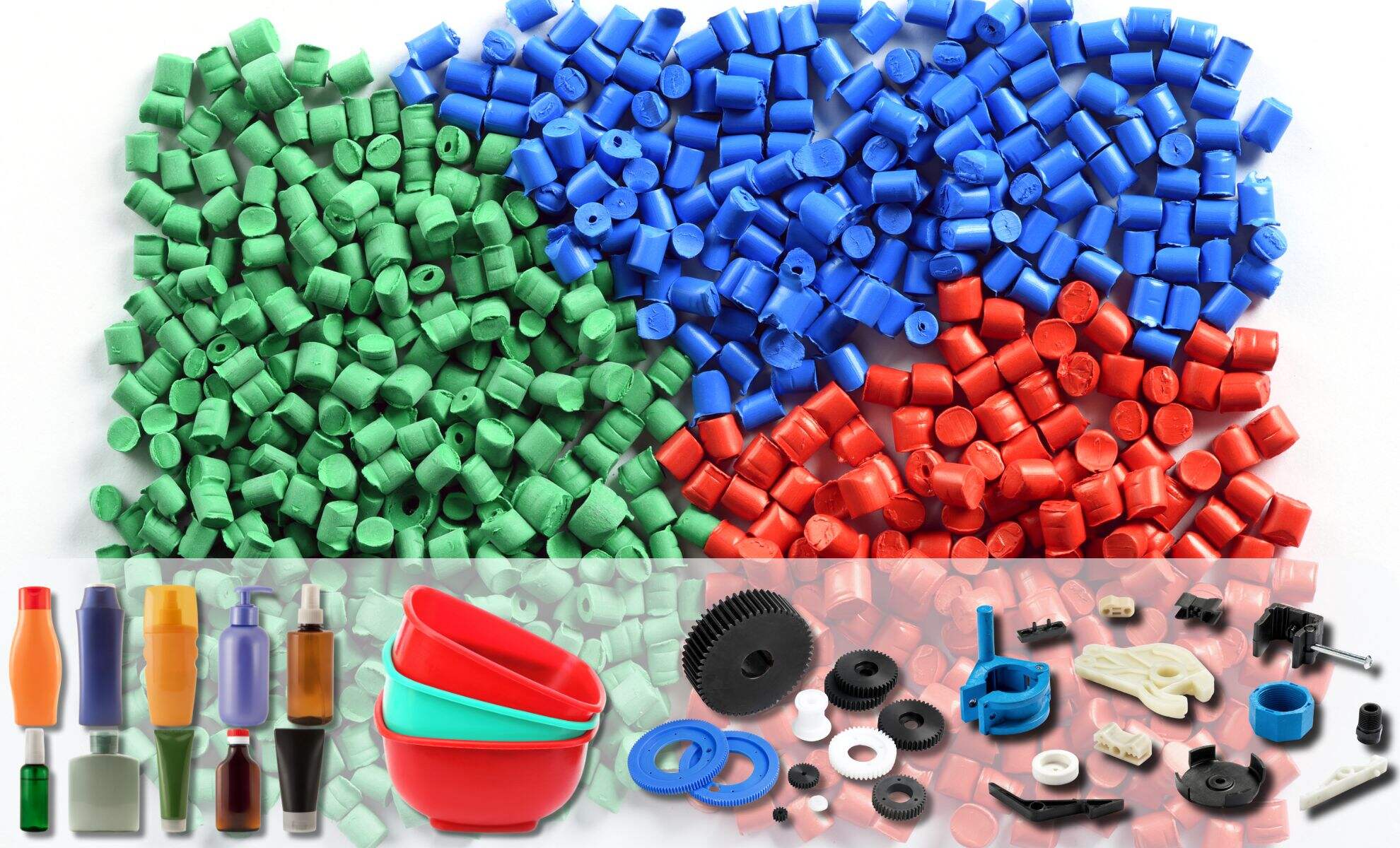
Daily toys are indispensable companions in children’s growth, and their safety and durability directly depend on the quality of injection molds. As a core component of plastic toy production, a durable injection mold not only ensures the consistency of product specifications but also reduces production costs and improves efficiency for manufacturers. With more than 16 years of experience in plastic mold manufacturing, we deeply understand the key factors affecting the durability of injection molds. This article will elaborate on the professional methods to choose a durable injection mold for daily toys, helping you make informed decisions.
1. Core Factors Affecting the Durability of Toy Injection Molds
1.1 Mold Material Selection
The material of the injection mold is the foundation of its durability. For daily toy production, mold materials must meet the requirements of wear resistance, corrosion resistance, and high-temperature resistance. Common high-quality mold steels such as P20, 718H, and S136 are preferred. These materials have excellent mechanical properties and can withstand the repeated impact and friction during the injection molding process. Especially for toys that require frequent production, choosing high-hardness and wear-resistant materials can extend the mold’s service life to more than 100,000 shots.
1.2 Rationality of Mold Structure Design
A scientific mold structure is crucial for improving durability. The design should focus on uniform force distribution, avoiding stress concentration in local areas. For example, the runner system should be optimized to ensure smooth flow of molten plastic and reduce pressure loss. At the same time, the cooling system design directly affects the mold’s service life—uniform cooling can prevent thermal deformation of the mold and maintain dimensional stability. Additionally, reasonable demolding mechanisms and guiding components can reduce wear during the production process, further enhancing the mold’s durability.
1.3 Precision of Manufacturing Process
The durability of the injection mold is inseparable from precise manufacturing processes. Advanced production equipment and mature processing technology can ensure the accuracy of mold parts. For example, CNC machining centers, EDM machines, and wire cutting equipment can achieve high-precision processing of mold cavities and cores, ensuring tight fit between components. Strict quality control during the manufacturing process, such as heat treatment and surface polishing, can improve the mold’s hardness and wear resistance, laying a solid foundation for durability.
2. Practical Skills for Selecting Durable Toy Injection Molds
2.1 Clarify Product Requirements and Usage Scenarios
Before selecting an injection mold, it is necessary to clarify the toy’s material (such as ABS plastic parts), structural complexity, and production volume. For toys with complex structures and high production requirements, molds with higher precision and durability should be selected. For example, hardware plastic accessories in toys require molds with strong corrosion resistance to ensure the stability of product quality. At the same time, considering the safety requirements of children’s toys, the mold should avoid sharp edges and corners to prevent potential safety hazards during production.
2.2 Verify the Supplier’s Quality Certification and Production Capacity
A reliable supplier is a guarantee of mold quality. Priority should be given to suppliers with ISO9001-2015 quality management system certification, as this certification reflects the supplier’s standardized production and quality control capabilities. In addition, understanding the supplier’s production equipment configuration (such as plastic injection molding machines) and plant scale can assess their production capacity and technical strength. Suppliers with more than 10 years of industry experience usually have mature technical solutions and after-sales support, which can better solve problems encountered during mold use.
2.3 Evaluate the Mold’s Test Report and After-Sales Service
Before purchasing, ask the supplier for mold test reports, including service life tests, dimensional accuracy tests, and wear resistance tests. These data can directly reflect the mold’s durability. At the same time, perfect after-sales service is essential. A good supplier should provide mold maintenance guidance, repair services, and technical support to help extend the mold’s service life. For example, regular maintenance reminders and quick response to fault repairs can minimize production downtime caused by mold problems.
3. Key Traits of High-Quality Injection Mold Suppliers
In addition to the above points, excellent suppliers often have the ability to provide one-stop services from design to production. This integrated service model can ensure the consistency of mold design and production, avoid problems caused by communication gaps between multiple parties, and improve the mold’s applicability and durability. Moreover, suppliers with a customer-centric service concept will tailor mold solutions according to the customer’s specific needs, rather than providing standardized products, which can better meet the personalized requirements of toy production.
Conclusion
Choosing a durable injection mold for daily toys requires comprehensive consideration of material selection, structural design, manufacturing process, supplier strength, and other factors. A high-quality injection mold not only improves production efficiency and reduces costs but also ensures the safety and durability of toys, laying a solid foundation for brand development. With more than 16 years of experience in plastic mold and plastic molding production, we adhere to the goal of "building a high-quality brand and serving customer needs," and are committed to providing customers with durable, high-precision injection mold solutions. By following the above methods, you can effectively select a suitable injection mold and achieve win-win results in toy production.