 EN
EN

In the highly competitive global plastic manufacturing industry, quality consistency, process standardization, and customer trust have become core pillars for enterprises to stand out. ISO9001, as an internationally recognized quality management system standard, is not just a "certificate" but a strategic tool that reshapes production logic and market competitiveness. Xiamen Jinen Plastic Co., Ltd. (Jinen Plastic), established in 2008 with over 16 years of experience in plastic molds and plastic molding, is a typical example of leveraging ISO9001-2015 certification to drive development. Specializing in sports equipment accessories, precision plastic molds, hardware plastic accessories, and ABS plastic parts, the company has verified through practice how ISO9001 certification optimizes plastic manufacturing processes, enhances product quality, and strengthens customer cooperation.
1. ISO9001 Certification: The Core Guarantee for Quality Control in Plastic Manufacturing
Plastic manufacturing, especially for products like precision molds and sports equipment accessories, has strict requirements for dimensional accuracy, material stability, and durability. ISO9001-2015 certification establishes a full-cycle quality management framework for enterprises, covering three key links that are critical to plastic manufacturing.
First, it standardizes raw material control. Jinen Plastic, in line with ISO9001 requirements, has established a strict supplier audit mechanism to ensure that raw materials for ABS plastic parts and hardware plastic accessories meet international quality standards. This avoids quality risks caused by substandard materials, a common pain point in the plastic manufacturing industry.
Second, it optimizes production process supervision. Equipped with 26 plastic injection molding machines and various precision mold production equipment, Jinen Plastic has formulated standardized operating procedures (SOPs) for each production link based on ISO9001. From mold design to injection molding and post-processing, every step is recorded and traceable, ensuring that the pass rate of plastic molds and plastic molding products remains at a high level.
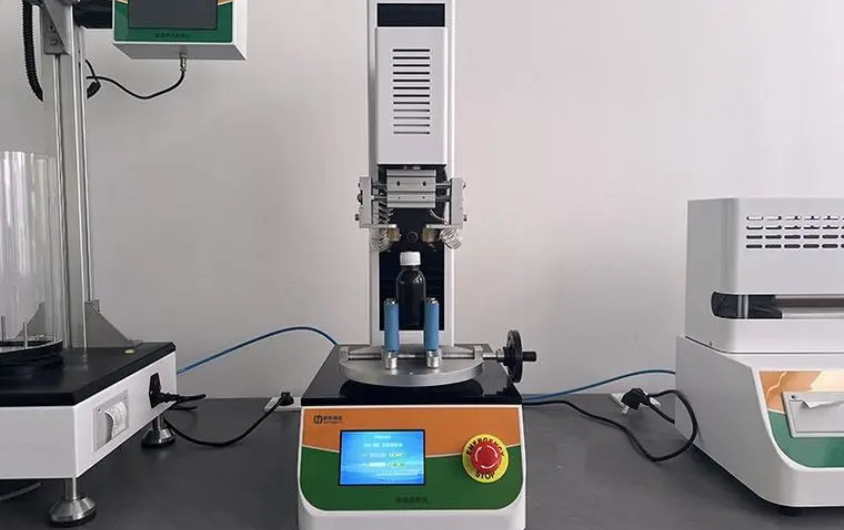
Third, it strengthens final product inspection. ISO9001 requires enterprises to establish a multi-level inspection system. Jinen Plastic conducts 100% sampling inspection on finished products such as sports equipment accessories, using professional testing equipment to verify indicators like structural strength and surface smoothness. This strict inspection mechanism fully aligns with the company’s goal of "building a high-quality brand and serving customer needs."
2. ISO9001 Certification: A Catalyst for Improving Production Efficiency and Reducing Costs
For plastic manufacturing enterprises, efficiency and cost are important factors affecting profitability. ISO9001 certification promotes process optimization by eliminating waste and reducing rework, thereby achieving a win-win situation of efficiency improvement and cost reduction.
Jinen Plastic’s 11,506-square-meter plant is managed in accordance with ISO9001’s lean production concept. By optimizing the layout of injection molding machines and precision mold equipment, the company shortens the material transportation distance between processes, reducing production cycle time by approximately 15% compared to before certification. Meanwhile, the traceability system required by ISO9001 enables the company to quickly locate the root cause of defects when problems occur, avoiding large-scale rework and reducing material waste by about 8%.
These improvements are directly reflected in the company’s performance. Currently, Jinen Plastic’s annual output value has reached 20 million US dollars. This achievement is inseparable from the efficiency dividends brought by ISO9001 certification, which helps the company maintain cost advantages in the fierce plastic manufacturing market while ensuring quality.
3. ISO9001 Certification: A Bridge to Winning Global Customer Trust
In the global plastic manufacturing market, customers from different cultural backgrounds and regions have unified requirements for product quality—reliability and consistency. ISO9001, as an internationally recognized standard, breaks the "quality certification barrier" between enterprises and global customers, becoming a key trust endorsement.
Jinen Plastic provides one-stop services from design to production. Backed by ISO9001 certification, the company can effectively communicate with customers from Europe, America, and Southeast Asia, accurately understand their needs for plastic molds or sports equipment accessories, and provide solutions that meet international quality standards. For example, when cooperating with a European sports equipment brand, the certification helped the company quickly pass the customer’s supplier audit, reducing the cooperation negotiation cycle by 30%.
This trust-building effect is particularly important in the plastic manufacturing industry, where product quality is closely related to the safety and performance of downstream products. ISO9001 certification allows Jinen Plastic to stand out in global procurement and establish long-term cooperative relationships with more high-quality customers.
Conclusion
For plastic manufacturing enterprises, ISO9001 certification is not just a compliance requirement but a driving force for high-quality development. It optimizes quality control, improves production efficiency, and builds global customer trust—three core advantages that help enterprises like Jinen Plastic achieve stable growth in the competitive market. As the plastic manufacturing industry continues to develop towards precision and customization, ISO9001 certification will become an increasingly important "passport" for enterprises to expand the market and enhance competitiveness.