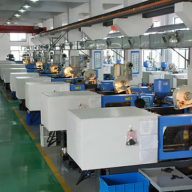
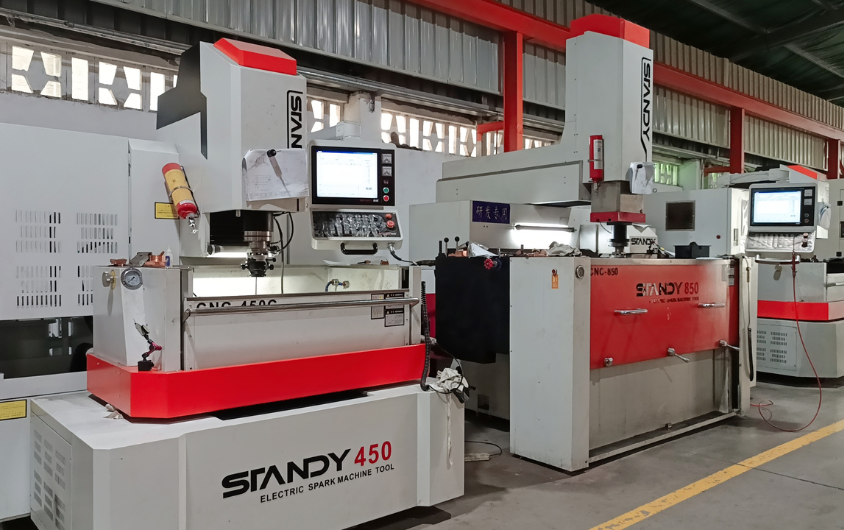
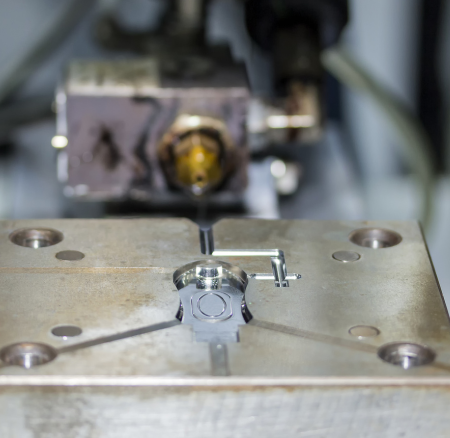
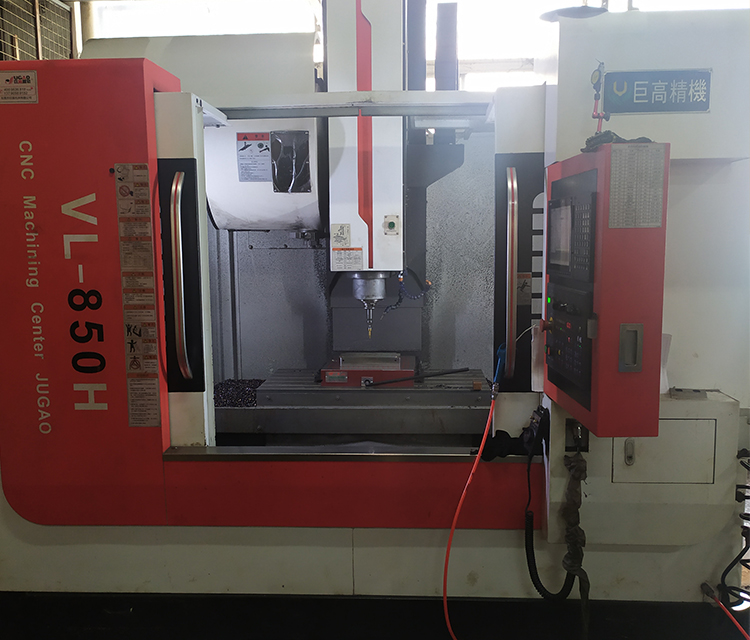
The plastic injection mould industry represents a cornerstone of modern manufacturing, with global market valuation reaching USD 71.18 billion in 2023 and projected to grow at a CAGR of 4.8% through 2030. This growth trajectory underscores the critical importance of precision mould manufacturing in today's industrial landscape. Plastic injection moulds function as sophisticated tools that shape molten plastic material into predetermined forms through high-pressure injection into custom-designed cavities. The technological evolution within this sector has transformed manufacturing capabilities across countless industries, enabling mass production of identical components with exceptional accuracy and repeatability. At Jinen Plastic, our 16 years of specialized experience have positioned us at the forefront of this dynamic industry, operating 26 advanced injection molding machines within our 11,506 square meter manufacturing facility. The fundamental process begins with meticulous mould design, where engineering considerations must account for material flow characteristics, cooling dynamics, ejection mechanisms, and production scalability. Modern computer-aided engineering software enables sophisticated simulation of the entire injection process before tool steel is ever cut, significantly reducing development risks and optimizing final product quality. This digital prototyping capability represents one of the most significant advancements in recent years, allowing manufacturers to identify potential defects, optimize gate locations, and predict dimensional stability issues during the design phase. The materials science aspect of mould manufacturing demands equal attention, with tool steel selection being paramount to long-term performance. Different plastic resins and production requirements dictate specific steel grades and hardening processes. For high-volume production of abrasive materials like glass-filled nylons, premium hardened steels provide essential wear resistance, while corrosion-resistant steels become necessary when processing PVC or other halogenated polymers. Surface treatments and coatings further enhance performance characteristics, with options ranging from titanium nitride for increased hardness to nickel-teflon for improved release properties. These technical considerations directly impact tool longevity, maintenance intervals, and ultimately, the per-part production cost. The application spectrum for plastic injection moulding continues to expand, with particularly notable growth in medical devices, electric vehicle components, and consumer electronics. The medical sector's stringent requirements for biocompatibility, precision, and cleanroom manufacturing have driven innovations in micromolding and high-temperature thermoplastics. Meanwhile, the automotive industry's transition toward electric vehicles has created demand for specialized components including battery housings, charging connectors, and lightweight structural elements. Recent industry analysis indicates that the automotive segment accounted for approximately 28% of total injection moulding demand in 2022, followed by packaging at 21% and consumer products at 18%. This distribution reflects the pervasive nature of injection moulded components across modern industrial and consumer landscapes. Sustainability considerations have emerged as a dominant trend, with manufacturers increasingly adopting circular economy principles. The development of bio-based polymers and advanced recycling technologies represents a significant industry shift, with major resin producers committing to substantial increases in recycled content across their product portfolios. This environmental focus extends to mould design optimization for reduced energy consumption through conformal cooling channels and intelligent cycle time reduction strategies. The industry's response to global supply chain disruptions has accelerated adoption of digital manufacturing technologies, including additive manufacturing for rapid tooling applications and AI-driven predictive maintenance systems. These technological adaptations have proven crucial for maintaining production continuity amid fluctuating material availability and logistics challenges. At our ISO 9001:2015 certified facility, we've implemented comprehensive quality management systems that encompass every stage from initial design consultation to final production. This integrated approach ensures dimensional accuracy, cosmetic perfection, and functional reliability across diverse application requirements. Our technical team brings extensive experience in addressing complex manufacturing challenges, including tight tolerance maintenance for medical components, UL94 compliance for electrical applications, and food-grade certification for packaging products. The future development trajectory points toward increasingly intelligent, connected manufacturing systems capable of real-time process optimization and unprecedented quality control. For organizations seeking to leverage these advanced capabilities, we invite direct consultation to discuss specific project requirements and corresponding investment considerations.
 EN
EN