 EN
EN

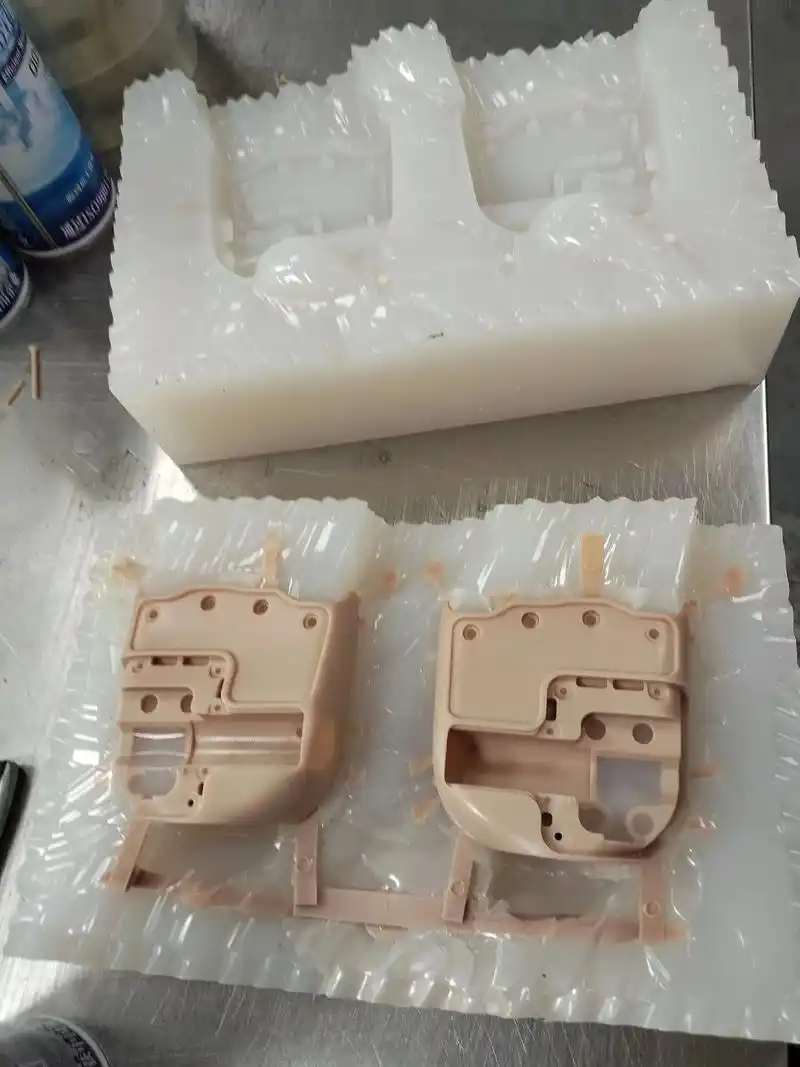
Why Traditional Plastic Moulding Fails at Low Volumes
The Economic Mismatch: High Tooling Costs vs. Sub-500-Part Batches
Steel mold making typically takes up most of the initial spending in plastic molding work. Tooling costs usually range somewhere between fifteen thousand to eighty thousand dollars for each mold. When companies want to make fewer than five hundred pieces, these costs just don't make financial sense anymore. Part costs jump anywhere from three to seven times what they would be if producing in large quantities. Take this scenario for instance: paying fifty grand for a mold that makes only five hundred parts means each part carries around a hundred bucks worth of tooling expense right there. That's way too expensive compared to alternatives such as CNC machining which might only cost twenty dollars per piece. Factory owners basically have two options here they can either take the hit financially on smaller production runs or simply turn down those special order requests altogether. Because traditional tooling doesn't bend much in terms of pricing, plastic molding gets pushed aside in markets where people need custom items made quickly and in limited numbers.
Material and Process Limitations in Conventional Steel Moulds for Short Runs
Steel molds come with some serious limitations when it comes to producing small batches efficiently. The material's incredible hardness makes sense for tools that need to last through millions of cycles, but creates major headaches during production. Getting those molds ready takes weeks of CNC work plus EDM processing, so companies often wait anywhere from eight to twelve weeks just to get their first parts out the door. What really hurts is the inability to make changes once the mold is built. Adjustments typically cost between 15 and 30 percent of what was originally spent on fabrication, which pretty much kills any chance at iterative development. From a thermal standpoint, steel transfers heat much slower compared to aluminum or hybrid options. This means cycle times go up by around 40 to 60 percent. For materials like PEEK or glass filled nylon, these temperature issues lead to problems with how the plastic solidifies. Industry data shows about 22 percent of short run projects end up with warped or dimensionally unstable parts because of these thermal challenges, something manufacturing engineers have been talking about for years based on various simulation studies they've run.
Soft and Hybrid Tooling Solutions for Agile Plastic Moulding
3D-Printed Molds: SLA, DMLS, and Binder Jetting for Rapid Prototyping & Pilot Runs
The world of small batch plastic molding has changed dramatically thanks to additive manufacturing techniques that can produce molds within three days or less. SLA technology makes those really smooth surface molds from epoxy material, great when companies need to show off what their products will look like. Meanwhile, DMLS produces durable stainless steel tools that last through hundreds of production runs. And then there's binder jetting which absolutely blows away the competition when it comes to quick turnaround times, often getting sand or composite molds printed right overnight. For companies making fewer than 300 units at a time, these new approaches cut down on tooling expenses by around 85%, which means getting products tested and validated much faster than ever before. The Society of Plastics Engineers points out that this ability to get parts quickly is becoming essential for new businesses and medical equipment makers who need to test their designs thoroughly before going through the lengthy approval process required by regulators.
Hybrid Metal-Polymer Moulds: Balancing Durability, Lead Time, and Cost in Small-Batch Plastic Moulding
When manufacturers mix machined aluminum cores with 3D printed polymer parts, they end up with these cool hybrid tools that cut down production wait times quite a bit compared to regular steel molds. The aluminum holds up well under heat for those important details, whereas the plastic parts let designers create shapes that would be impossible to mill out of solid material. These mixed tools stay pretty accurate too, staying within about 0.15mm tolerance even after running thousands of cycles, which brings down what each part costs during initial production runs. For companies wanting to test their products in the market before going all in on mass production, this method gives them good quality tooling for around a third of what traditional methods cost. One company actually saw their time getting a product ready for customers drop by nearly half when they used this technique for making automotive sensors.
Streamlining Workflow: CAD-Driven Plastic Moulding Optimization for Small Batches
Automated Design Validation for Draft, Ejection, and Shrinkage in Low-Volume Plastic Moulding
CAD software takes a lot of the uncertainty out of small batch plastic molding work thanks to those built-in validation checks. The system automatically spots when draft angles fall under that magic 1.5 degree threshold where parts tend to get stuck inside molds. It runs simulations on how parts will be ejected from complicated shapes too, so nobody has to worry about warping problems in those delicate thin wall pieces. When it comes to material behavior, the software actually predicts how much stuff will shrink during cooling. This matters a ton for things like glass filled nylon which can shrink around 1.8% according to industry standards. What does all this mean? Companies end up making about half as many physical prototypes as they used to with old school methods. And before any metal gets cut for tooling, most of the potential manufacturing headaches get sorted out already, saving money and time down the road.
Intelligent Tooling Selection Logic: When to Choose Soft, Semi-Hard, or Hard Tooling
Strategic tooling selection balances durability needs against budget constraints in limited-run production. Follow this decision framework:
| Factor | Soft Tooling | Semi-Hard Tooling | Hard Tooling |
|---|---|---|---|
| Ideal Batch Size | <500 parts | 500–10,000 parts | >10,000 parts |
| Lead Time | 3–7 days | 2–4 weeks | 6–12 weeks |
| Cost Range | $1k–$5k | $8k–$25k | $30k–$100k+ |
| Material Fit | PP, TPE, ABS | PC, Nylon, PET | PEEK, Glass-filled |
Choose 3D-printed molds for under 50 prototypes needing same-day iterations. Upgrade to aluminum inserts when producing 300–500 abrasive-filled parts requiring tighter tolerances. Hardened steel remains necessary only for medical-grade components demanding micron-level precision. This tiered approach prevents overspending on over-engineered tooling while ensuring part quality.
Quantifying Value: Cost, Lead Time, and Quality Trade-Offs in Small-Batch Plastic Moulding
When it comes to small batch plastic molding, businesses need to look at several key factors when figuring out if it makes financial sense. Production costs tend to be much higher compared to large scale manufacturing since there's no volume discount effect. We're talking about 20 to 40 percent more per item, but the good news is that newer tooling options can cut down waiting periods from weeks down to just a few days. What matters most depends on what the project needs. Rush jobs often require paying extra for speed while products needing tight tolerances demand extra attention to quality control measures. For companies watching their budgets closely, mixing different approaches works best. According to studies by NIST, traditional molds start becoming worth the investment once production hits around 5,000 units. That means anything under that number is generally better suited for fast tooling alternatives. Getting this right really depends on understanding all these tradeoffs early in the planning stage through proper cost forecasting techniques.
| Variable | Small-Batch Advantage | Trade-Off Consideration |
|---|---|---|
| Per-Unit Cost | Lower tooling investment | Higher material/processing expenses |
| Lead Time | 75% faster mold production | Limited mold longevity (<500 cycles) |
| Quality | ±0.15mm tolerances achievable | Surface finish variations possible |
While traditional steel molds deliver uncompromising consistency for large runs, modern aluminum-polymer hybrids maintain 98% geometric accuracy for batches under 300 pieces at 60% lower cost. This flexibility enables iterative refinement—a decisive advantage when market validation precedes scale production.
FAQs
What are the main limitations of steel molds for low volume production?
Steel molds are expensive and take a long time to produce, making them impractical for small batches. They also have a limited ability to accommodate design changes, require significant lead time, and offer slow heat transfer, leading to longer cycle times and potential defects in products.
How do 3D-printed molds help in reducing costs and time?
3D-printed molds can be created quickly in just a few days, drastically cutting down tooling costs by up to 85%. These molds facilitate rapid prototyping, enabling faster design iteration and validation, particularly beneficial for creating small batches efficiently.
What benefits do hybrid metal-polymer molds offer?
Hybrid molds combine machined aluminum cores with 3D-printed polymer parts, reducing production lead times significantly. They allow for the creation of complex shapes with high precision and lower cost, making them ideal for testing products before mass production.
When should a company choose between soft, semi-hard, and hard tooling?
The decision depends on batch size, lead time, cost, and material fit. Soft tooling is suitable for batches under 500 parts, semi-hard for 500–10,000 parts, and hard tooling for more than 10,000 parts or when micron-level precision is needed.
How does CAD software contribute to plastic molding optimization?
CAD software offers automated design validation for critical factors like draft angles, part ejection, and shrinkage predictions. This reduces the need for physical prototypes and minimizes potential manufacturing issues, saving time and money.
Table of Contents
- Why Traditional Plastic Moulding Fails at Low Volumes
- Soft and Hybrid Tooling Solutions for Agile Plastic Moulding
- Streamlining Workflow: CAD-Driven Plastic Moulding Optimization for Small Batches
- Quantifying Value: Cost, Lead Time, and Quality Trade-Offs in Small-Batch Plastic Moulding
-
FAQs
- What are the main limitations of steel molds for low volume production?
- How do 3D-printed molds help in reducing costs and time?
- What benefits do hybrid metal-polymer molds offer?
- When should a company choose between soft, semi-hard, and hard tooling?
- How does CAD software contribute to plastic molding optimization?