 EN
EN

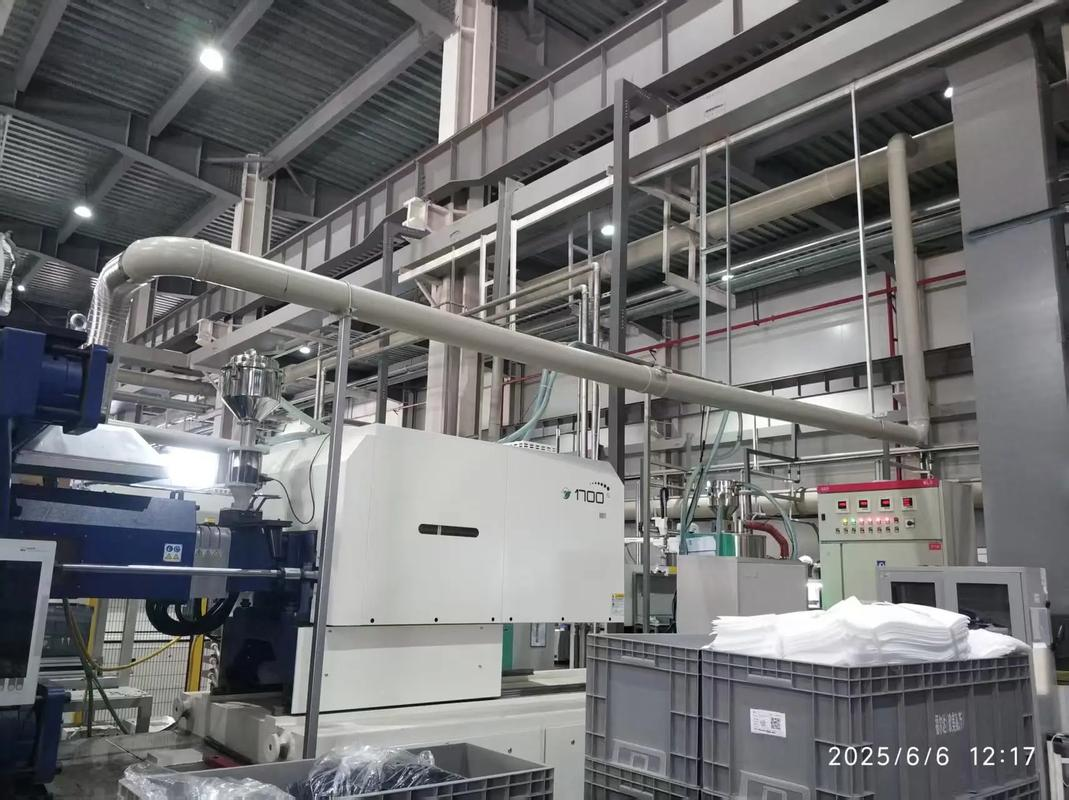
Energy Efficiency and Process Optimization in Plastic Molding
Plastic molding operations consume 5–10% of total manufacturing energy globally, making efficiency critical for cost control and emissions reduction. Modern approaches combine advanced machinery with data-driven process refinements to achieve substantial savings.
Servo-hydraulic machines and smart process control: Cutting energy use by up to 40%
Old school hydraulic systems eat up energy because they keep running those pumps all the time, even when nothing is actually happening. That's where servo-hydraulic systems come in handy. They cut down on wasted power by using variable speed motors that adjust exactly what's needed at any given moment. Pair these with intelligent control systems that constantly tweak things like temperature settings, pressure levels, and injection speeds, and factories can save around 30 to 40 percent on their energy bills without compromising product quality or dimensions. Another plus? These upgraded systems help manage those spikes in electricity usage that drive up monthly costs and wear out machinery faster. Real world numbers back this up too. An industry report from last year looked at several auto parts makers who switched over, and many saw their investment paid off completely in just under a year and a half thanks solely to reduced energy consumption.
Cycle time reduction, mold thermal management, and real-time monitoring for lower carbon intensity
Shorter cycle times directly reduce per-part energy consumption. Three synergistic strategies drive measurable gains:
- Cycle compression: AI-driven simulation identifies non-value-added intervals in molding sequences, enabling 15–25% faster cycles without compromising structural integrity
- Thermal regulation: Conformal cooling channels and dynamic mold temperature controllers improve heat transfer efficiency, cutting cooling energy by up to 20%
- Live monitoring: IoT sensors detect anomalies—including overheated hydraulics or suboptimal clamp force—enabling rapid intervention
Real-time dashboards translate sensor data into actionable insights, supporting immediate adjustments that reduce carbon intensity by 1.2 kg CO₂ per kg of output. Facilities deploying all three strategies report 22% lower energy intensity versus conventional operations.
Material Waste Reduction and Circular Integration in Plastic Molding
Design-for-manufacturing (DFM) and precision tooling to reduce scrap rates from 12% to <3%
Bringing Design for Manufacturing (DFM) into play right at the start of product development helps cut down on wasted materials because parts get designed with moldability in mind from day one. This approach stops common problems such as sink marks and warping which usually lead to around 12% scrap rate in regular manufacturing setups. When manufacturers invest in precision tools with those tiny milled cavities and special cooling channels, they see about a 40% drop in size variations plus faster production cycles too. The combination works wonders actually, bringing scrap rates down under 3% most of the time. That means companies need less raw material overall and contribute far less to landfills than traditional methods allow. Plus there's this thing called real-time monitoring systems now that check dimensions while things are being made, so when something starts going wrong operators can fix it right away before whole batches end up defective.
On-site regrind reuse, closed-loop recycling systems, and adoption trends across Tier-1 plastic molding suppliers
Many top manufacturing sites are setting up their own regrind systems these days. These systems take those sprues and runners right back into the production line as quality material, keeping around 95% of what would otherwise go to landfill out of the trash. The real game changer comes with closed loop recycling though. Chemical processes can actually clean up industrial waste so it gets reused in places where standards matter a lot, think medical equipment or food packaging materials. Since early 2023, most major plastic molders (about 78%) have jumped on board with this circular approach. Why? Simple math really - they save roughly 30% on raw materials plus they meet those new EPR rules companies need to follow. What we're seeing here is part of something bigger happening across the industry. Mechanical recycling isn't just getting better at filtering out impurities anymore. With better tracking systems in place, old waste is becoming valuable resources again.
Sustainable Material Selection for Plastic Molding Applications
Performance and environmental trade-offs: Recycled (rPET, rPP), bio-based (PLA), and ISCC-certified mass-balanced polymers
When picking out sustainable materials, manufacturers need to weigh how well something works against its environmental footprint. Take recycled PET and PP for instance these cut down on new plastic use somewhere around 40 to maybe even 60 percent. But there's a catch they can be tricky to work with sometimes because of inconsistent melt flow rates or those pesky trace contaminants that mess with product quality. Then there's PLA made from corn starch which will break down in industrial composts pretty quickly, often within just a few months. However, don't expect much flexibility here since it tends to snap easily and can't handle much heat before warping, typically around 60 degrees Celsius mark. So while great for short term applications, it falls flat when higher durability is needed.
The ISCC system for mass balanced polymers works by tracking how much renewable material goes into production processes that are regularly audited. These materials have the same chemical makeup as their fossil fuel based equivalents, which means they work just as well in manufacturing applications while cutting down on carbon emissions at the source. When it comes to mechanical characteristics like tensile strength or impact resistance, there's no difference compared to traditional plastics. However, companies need to maintain full visibility across their supply chains and keep proper documentation showing where materials came from throughout the entire production journey. Choosing the right material still depends heavily on what specific functions are needed for any given application though.
| Material Type | Carbon Reduction | Key Limitations | Ideal Use Cases |
|---|---|---|---|
| Recycled (rPET/rPP) | 30–50% | Color inconsistency | Packaging, housings |
| Bio-based (PLA) | 60–80% | Low impact resistance | Disposable containers |
| Mass-balanced polymers | 40–70% | Premium pricing (15–20%) | Medical, automotive |
Though recycled resins dominate current adoption (67% of sustainable plastic molding projects), emerging bio-compound blends aim to close durability gaps. Manufacturers must validate shelf-life stability, processing behavior, and long-term performance—particularly when substituting high-performance engineered polymers. Lifecycle assessment remains essential to quantify net environmental benefit against technical compromises.
Life Cycle Assessment as a Decision Framework for Plastic Molding
Life Cycle Assessment or LCA offers manufacturers a standardized way to measure how plastics affect the environment at every stage from when materials are pulled out of the ground right through production, shipping, actual use, and what happens after disposal. When looking at plastic molding specifically, LCA helps spot where too much energy gets used and where materials aren't being handled efficiently, which leads to higher carbon emissions, increased water consumption, and more waste overall. Comparing different options like regular plastic against recycled versions or plant-based alternatives gives companies real numbers to work with so they can make their products greener without compromising quality. Getting this assessment done during initial design phases saves money later on by avoiding expensive changes down the road, keeps businesses compliant with those EPR rules about taking responsibility for products post-sale, and builds credibility with customers who want proof behind green marketing claims.
FAQ Section
What are servo-hydraulic systems?
Servo-hydraulic systems utilize variable speed motors to adjust power requirements based on operational needs, optimizing energy use compared to constant pumping in traditional hydraulic systems.
What is Design for Manufacturing (DFM)?
Design for Manufacturing is an approach that considers moldability during product design to reduce material waste and scrap rates, improving efficiency starting from the product development phase.
How does Life Cycle Assessment (LCA) benefit plastic molding?
Life Cycle Assessment evaluates environmental impacts of plastic throughout its lifecycle, helping manufacturers to enhance sustainability while maintaining product quality by addressing inefficiencies and material handling.