 EN
EN

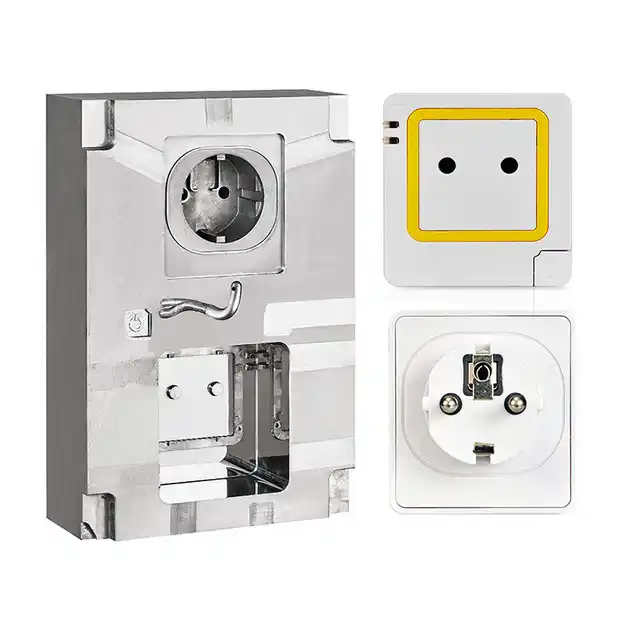
IoT-Enabled Household Mold Design for Seamless Smart Home Integration
In-Mold Electronics and Sensor-Ready Cavities in Household Mold Systems
Today's home mold systems now include in-mold electronics (IME) technology that actually builds sensors and circuits right into products while they're being made. This means these items can talk to smart home systems as soon as they leave the factory floor. The temperature sensors, humidity monitors, and motion detectors sit inside specially designed spaces within the mold itself. This setup gets rid of extra assembly steps and keeps sensitive components safe from things like moisture and dust. Manufacturers report that this method saves money on labor costs, lowers error rates, and speeds up manufacturing time by around 30%. What makes it really valuable is how easy it is to upgrade later on. The cavity designs allow technicians to swap out old sensors for newer ones in the field when needed, whether for checking water leaks, tracking indoor air quality, or adding whatever new smart features homeowners want next, all without having to completely redesign the mold.
Digital Twin Modeling for Predictive Optimization of Household Mold Performance
Digital twin tech builds virtual copies of real world molds that get updated constantly through sensors monitoring things like pressure changes, temperature shifts, and how materials move around. The system spots signs of wear long before anything actually breaks down, so maintenance can happen when scheduled rather than forcing unplanned stops. This approach cuts unexpected stoppages by about 40 percent and adds roughly 25% more useful life out of each mold. Many engineers run their ideas past these virtual models first instead of building expensive prototypes for testing purposes. They might check different cooling channel designs or where gates should go without wasting money on physical tests. What makes this whole process work so well is that it keeps parts coming out consistently good quality even as manufacturers need to keep up with what smart homes demand from their products these days.
Smart Manufacturing Advancements in Household Mold Production
Industry 4.0 Adoption: Real-Time Monitoring and AI-Powered Predictive Maintenance
The fourth industrial revolution is changing how molds for everyday products get made, thanks to smart sensors connected across the factory floor and artificial intelligence doing the thinking work behind the scenes. These tiny embedded devices keep track of everything from heat levels to pressure changes and how long each production cycle takes, sending all this info to central control panels where operators can spot problems right away. Factories report defect rates dropping around 30% when they implement these systems, plus they waste less raw materials overall. Smart maintenance software looks at how machines vibrate and run hot spots to predict breakdowns before they happen. According to a recent study by Ponemon Institute in 2023, this kind of foresight saves companies about $740,000 every year on unexpected shutdowns. The AI doesn't just stop there either. It keeps tweaking energy use and adjusting production speeds based on what worked best in the past, so whole assembly lines start behaving almost like living organisms that adapt over time. Instead of waiting for something to break down, technicians now spend their days fine tuning parameters rather than constantly putting out fires, which means molds stay in good shape much longer than before.
Precision Molding Techniques for Complex Smart Home Housings
Multi-Stage Molding: Insert, Over-Molding, and Fusible Core Solutions for Integrated Household Mold Assemblies
Multi stage molding brings together structural, electrical and environmental features all inside one housing component. With insert molding, manufacturers can actually place metal contacts right into polymer base materials, which improves conductivity while getting rid of those pesky connector assemblies. The over molding process joins hard frame parts with soft, weather proof seals during a single manufacturing run something that makes outdoor sensors last much longer. Then there's fusible core technology that creates hollow spaces inside parts for wiring and antenna placement in complicated shapes. This approach cuts down on the number of separate components needed by around 30%, compared to older assembly methods. All these different molding techniques combined produce housings that maintain their shape within about 0.05mm accuracy even when temperatures change, making them ideal for packing lots of electronics into compact smart home devices without reliability issues.
Micro Injection Molding to Enable Miniaturized Sensors in Consumer-Grade Household Mold Components
The micro injection molding process can produce walls thinner than 0.2mm with tolerances as tight as 5 microns, which makes it possible to integrate tiny environmental sensors directly into regular consumer products. The technology relies on specialized electric screw mechanisms and vacuum systems during filling to keep materials from breaking down while maintaining consistent results across production runs. We see this applied in various ways these days like creating vibration resistant cases for dust sensors, forming high quality lenses around carbon dioxide detection units, and making extremely thin membranes for pressure sensing in smart water valves. When manufacturers skip the need for calibration after molding, they actually cut down on failures by about 18 percent and manage to make the overall size of these sensors roughly 40% smaller. This advancement is helping push the entire field towards developing monitoring solutions that blend seamlessly into home environments without anyone even noticing them there.
Sustainable and Future-Proof Household Mold Architectures
Modular Household Mold Platforms Supporting Upgradability and Circular Lifecycle Design
Modular mold platforms separate out different parts like electronics, sensors, and structural frames so companies can upgrade specific components instead of replacing everything at once. The result? These systems last much longer - somewhere between 40% to maybe even 60% longer in many cases. That means less waste overall since we're not throwing away whole units just because one part needs updating. The standardized connections for both mechanical parts and data make it possible to use older components with newer ones and vice versa. Plus, these molds are built with disassembly in mind from the start, which helps recover materials when they eventually reach the end of their useful life. Recent research on circular design showed that going modular cuts down manufacturing waste by around 30 something percent and saves about a quarter on total costs throughout the product's entire lifespan compared to traditional single piece designs.
Eco-Conscious Material Innovation: Bio-Based Polymers and High-Performance Steels for Long-Life Household Mold Use
New materials are making sustainability possible without hurting industrial performance. Bio polymers made from plants can stand up to petroleum based resins when it comes to strength and heat resistance, all while reducing carbon emissions somewhere between 45% and 60%. Alongside these developments, special tool steels that resist corrosion and wear have been extending mold lifespan well past 15 years, even in those tough conditions found in many smart homes where humidity is high and chemicals are constantly at work. What this means for manufacturers is that their mold systems finally fit into circular economy thinking. Eco friendly materials aren't just good for the planet anymore they actually perform better over time, meeting strict requirements for functionality throughout their long service lives.
FAQ
What are in-mold electronics and how do they work in household molds?
In-mold electronics (IME) integrate sensors and circuits directly into products during manufacturing, allowing them to connect with smart home systems immediately. This integration occurs within specially designed spaces in the mold to protect components and streamline assembly.
How does digital twin technology optimize household mold performance?
Digital twin technology creates virtual models of molds that are constantly updated with data from sensors. This helps in predicting wear and scheduling maintenance efficiently, reducing unexpected downtimes and extending mold life.
What is Industry 4.0's role in smart manufacturing for molds?
Industry 4.0 leverages IoT sensors and AI to monitor mold production processes in real-time, reducing defect rates and material waste. It also enables predictive maintenance, preventing unplanned shutdowns and optimizing energy use.
How do precision molding techniques benefit smart home housings?
Precision molding techniques like multi-stage and micro injection molding create complex, integrated mold assemblies with reduced components and high accuracy, enabling compact designs for smart devices.
What are the benefits of using eco-conscious materials in household molds?
Eco-friendly materials, like bio-based polymers and high-performance steels, improve sustainability without compromising performance. These materials reduce carbon emissions, extend mold lifespan, and align with circular economy principles.
Table of Contents
- IoT-Enabled Household Mold Design for Seamless Smart Home Integration
- Smart Manufacturing Advancements in Household Mold Production
- Precision Molding Techniques for Complex Smart Home Housings
- Sustainable and Future-Proof Household Mold Architectures
-
FAQ
- What are in-mold electronics and how do they work in household molds?
- How does digital twin technology optimize household mold performance?
- What is Industry 4.0's role in smart manufacturing for molds?
- How do precision molding techniques benefit smart home housings?
- What are the benefits of using eco-conscious materials in household molds?