 EN
EN

Optimize Mold Design for Peak Injection Molding Service Performance
Superior mold engineering is foundational to maximizing efficiency in injection molding service operations. Precision in design directly drives cycle speed, part quality, and cost control-making strategic optimization non-negotiable for high-performance outcomes.
Apply DFM Principles to Reduce Cycle Time and Defects
When companies apply Design for Manufacturing principles, they basically build products that work better in real world production environments right from the start. Getting wall thickness just right between about half a millimeter and five millimeters helps parts cool evenly and prevents those annoying warping issues. Adding draft angles of around one to two degrees makes it much easier to get parts out of molds without damaging them, which saves money on mold maintenance costs. Balanced material distribution throughout the part can cut down on those pesky sink marks by roughly forty percent, meaning fewer rejected parts and faster overall production times as reported in PlasticsToday last year. Smart manufacturers know to think about material choices and where gates should go during initial design stages, ensuring the final product holds together well without needing unnecessary reinforcement that drives up costs.
Leverage Simulation Tools to Predict Flow, Cooling, and Warpage
Mold simulation software these days can predict how molten material flows through a mold, track temperature changes, and even forecast where shrinkage might occur all before cutting any actual tools. When engineers look at how the melt front moves across the mold surface, they spot problems with uneven flow patterns early on. Then they tweak gate positions or modify runner shapes to fix those issues before production starts. The thermal modeling part helps figure out where best to place cooling lines so parts cool evenly, which cuts down both cycle times and warping problems. Shrinkage analysis tells designers exactly where dimensions need adjusting in the cavity itself. All this virtual testing saves tons of money compared to traditional trial and error methods. According to the Manufacturing Efficiency Report from 2024, companies using these simulations cut their prototype rounds by around 70%. That means products reach customers faster and manufacturers waste fewer materials during development.
Standardize and Digitize Process Control in Injection Molding Service
Implement SOP-Driven Machine Setup for Clamping, Shot Size, and Hold Pressure
Having written down standard operating procedures for things like clamping force, shot size, hold pressure, screw speed, and back pressure really cuts down on inconsistencies when switching between different production runs or shifts. When we set specific parameters, such as keeping back pressure below 10 bar for those materials that get damaged by heat, it stops the resin from breaking down and makes sure each cavity gets filled properly every time. The digital instructions right there at the machine screen let operators check what the best settings should be in about a minute or so instead of spending over 15 minutes going through paper manuals. All this attention to procedure means we waste about 35% less material during startup phases and avoid those annoying problems like parts coming out incomplete or with those ugly sink marks that nobody wants to see.
Deploy IoT Sensors and Real-Time Monitoring for Predictive Parameter Adjustment
Sensors connected to the Internet of Things keep an eye on all sorts of parameters during manufacturing including melt temps, mold surface temperatures, cavity pressures, and how fast the screw recovers after each cycle. These smart systems pick up even small changes, like when there's a 5 degree Celsius shift that can mess with how polymers crystallize, then automatically tweak things like holding pressure or cooling time before any actual problems show up. If the material gets too thick because of moisture getting into the system, the equipment adjusts itself on the fly to keep parts dimensionally stable within about 0.15 millimeters. The operators get live updates on dashboards showing weird patterns such as screws taking longer than usual to reset, which lets them fix issues before they become big headaches. According to what manufacturers report across the industry, implementing these kinds of monitoring systems typically cuts down on waste materials by around twenty two percent, though getting everyone comfortable with the technology takes some time.
Strengthen Material and Workflow Integrity Across Injection Molding Service Operations
Enforce Just-in-Time Drying and Moisture-Controlled Handling Protocols
Hygroscopic resins such as nylon, PET, and PC tend to soak up moisture from the air, which leads to problems like splay marks, internal voids, and weaker mechanical properties overall. Just-in-time drying methods usually involve keeping materials at around 80 degrees Celsius or 176 Fahrenheit for about 2 to 4 hours right before they go into production. This helps avoid those pesky vaporization issues that account for roughly 15% of rejected parts in many facilities. What happens after drying matters just as much though. The material needs to stay sealed during transport, often with desiccant beds included, while maintaining an environment where humidity stays under 25% relative humidity. This keeps moisture levels down to about 0.02% or less by weight. Combine all this with automated feeding systems and factories can cut their scrap rates by nearly half. Plus, cycle times become more consistent and faster, meaning less time wasted on fixing bad parts later on.
Scale Sustainable Efficiency Through Automation and Skilled Workforce Development
Integrate Robotic Demolding and In-Line Vision Inspection for Zero-Defect Output
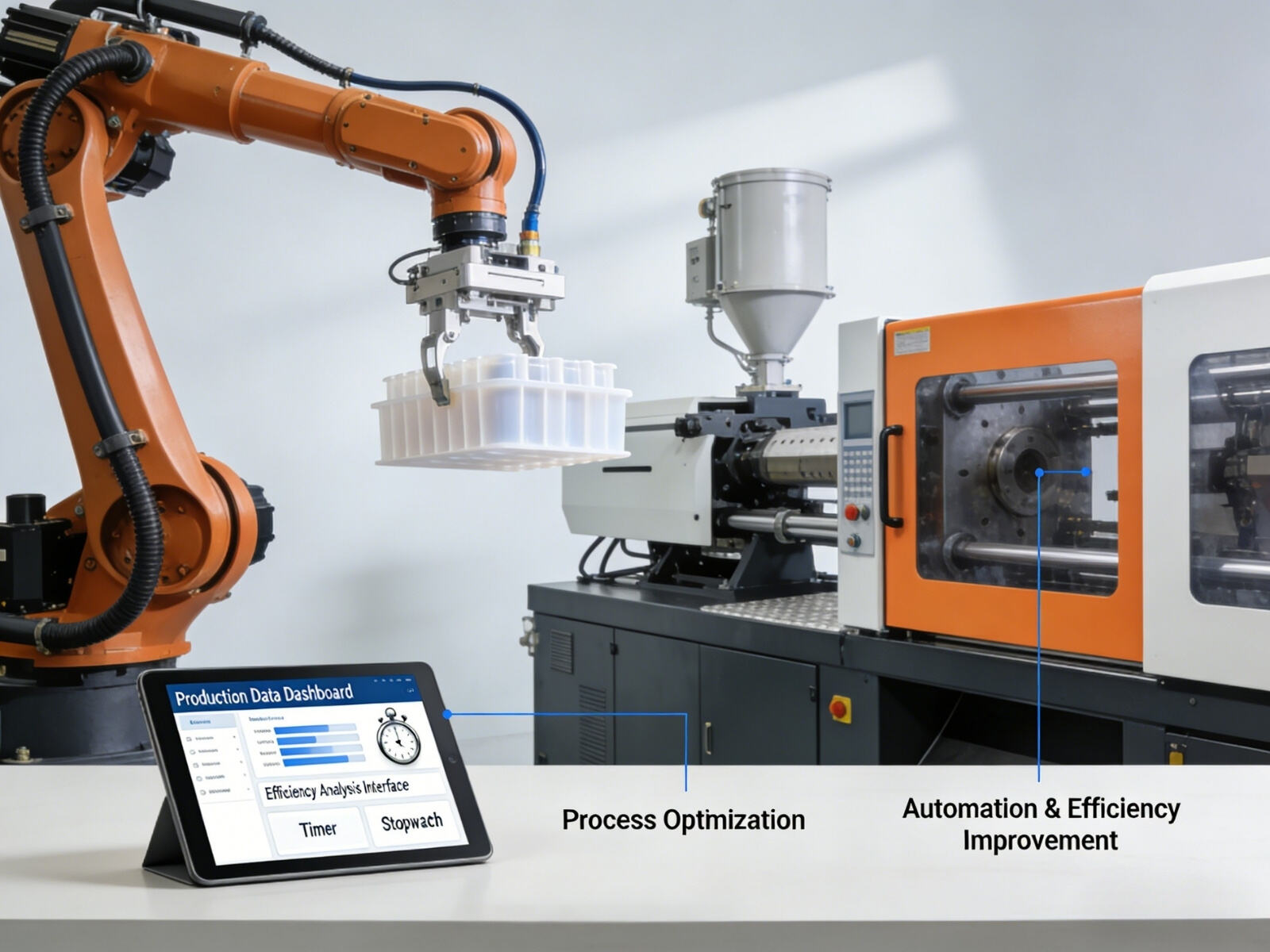
When it comes to mold release operations, robotic systems really cut down on those frustrating manual delays and the damage that often happens during part handling. Cycle times typically drop around 20% with these automated solutions. Combine this with inline vision inspection technology and we're talking about real-time defect detection capabilities. The system spots all sorts of issues as they happen - think warping problems, those pesky sink marks, and parts that just don't meet dimensional specs. Once identified, faulty components get automatically set aside before they can cause headaches further along the production line. This means manufacturers see dramatically reduced scrap rates and fewer roadblocks when it comes to quality assurance checks. What's more, this kind of closed loop automation runs consistently day after day, night after night. And let's face it, this frees up our best technicians to focus on what matters most: fine tuning processes, keeping equipment running smoothly through regular maintenance, and digging into why certain issues keep popping up in the first place.
Certify Operators in ASME Y14.5 GD&T and SPI Best Practices for Consistent Quality
The skill level of the workforce really matters when it comes to maintaining consistent quality across production runs. Getting certified in ASME Y14.5 GD&T helps ensure molds are aligned properly, cavities checked thoroughly, and measurements can be traced back accurately. When combined with SPI standards covering mold maintenance practices, problem solving techniques, and temperature control methods, technicians gain the ability to spot potential problems early on before they become major headaches. Operators who have proper certifications tend to make about 35 percent fewer setup mistakes and often hit first pass yield rates over 98 percent. Continuing education about how materials react under different conditions plus understanding heat transfer principles creates better synergy between people and machines. This ultimately turns an injection molding operation into something that corrects itself naturally through experienced guidance rather than constant oversight.
FAQs
What is the importance of applying DFM principles in injection molding?
Applying DFM principles ensures products are optimized for efficient manufacturing, leading to reduced cycle times, fewer defects, and improved cost efficiency.
How do mold simulation tools benefit injection molding?
Mold simulation tools allow engineers to foresee potential issues such as flow, cooling, and warpage, enabling preemptive adjustments that save time and money.
Why is process standardization crucial in injection molding?
Standardization helps reduce material waste and ensures consistent quality by providing clear guidelines for machine setup and operation.
What role do IoT sensors play in modern injection molding?
IoT sensors offer real-time monitoring and predictive parameter adjustments, enhancing manufacturing accuracy and reducing waste.
How do proper drying and handling of materials improve production?
Proper drying and moisture-controlled handling prevent defects like voids and weak mechanical properties, ensuring higher product quality.
Table of Contents
- Optimize Mold Design for Peak Injection Molding Service Performance
- Standardize and Digitize Process Control in Injection Molding Service
- Strengthen Material and Workflow Integrity Across Injection Molding Service Operations
- Scale Sustainable Efficiency Through Automation and Skilled Workforce Development