 EN
EN

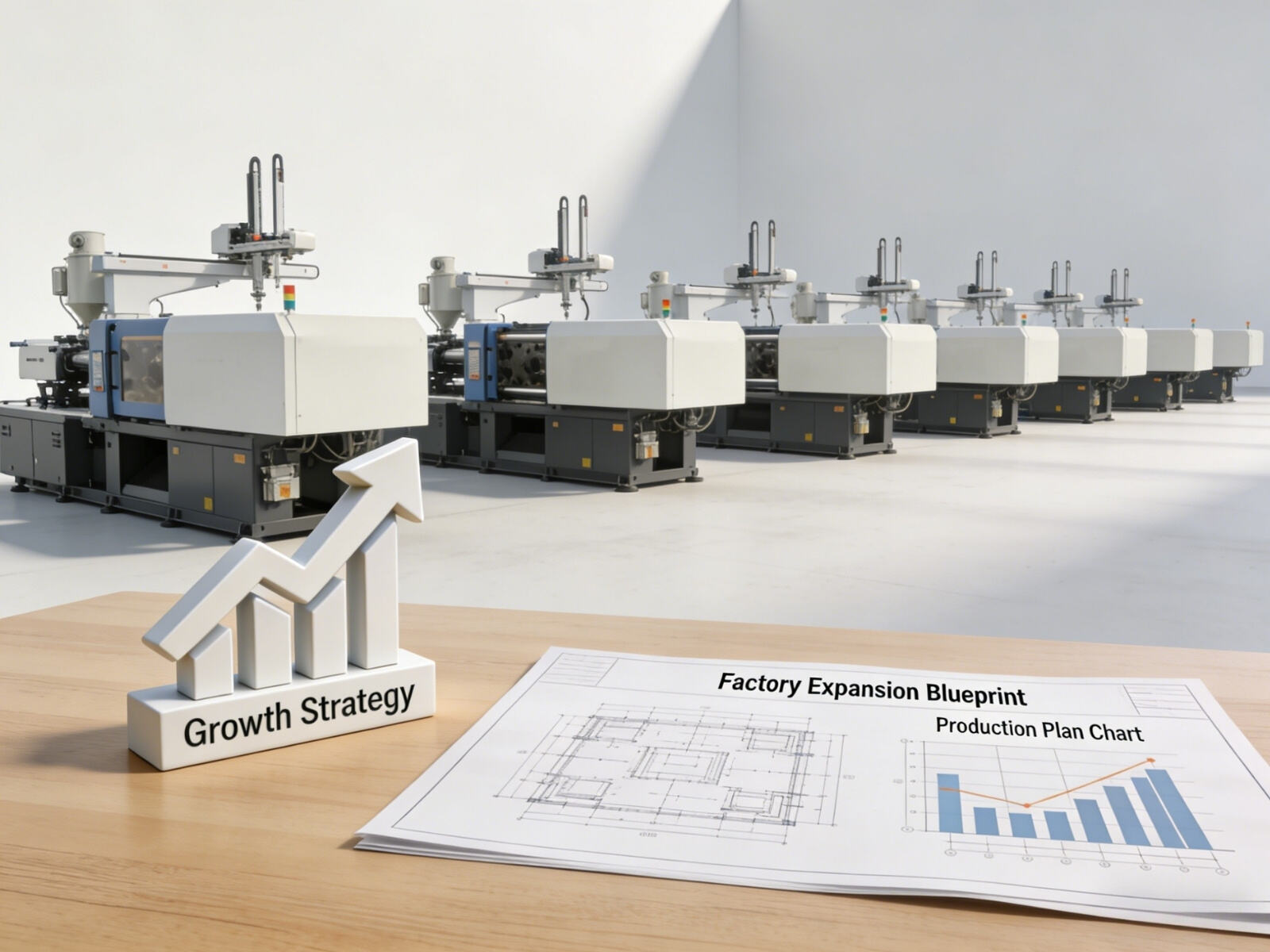
Process Standardization for High-Volume Repeatability
Decoupled Molding and Process Window Mapping to Ensure Batch-to-Batch Consistency
Decoupled molding works by separating the injection phase from packing, giving manufacturers much better control over how fast the mold fills and when pressure changes happen. The method helps cut down on problems that come from differences in material thickness. We're talking about something serious here too – around one quarter of all size issues in mass production actually stem from these viscosity changes according to Plastics Technology's 2023 report. Building on top of decoupled molding techniques is process window mapping. This approach lets factories figure out what settings work best across different batches of materials and varying workshop conditions through actual testing rather than just theory. Most shops spend time validating these parameter ranges because stability matters for consistent output quality.
- Melt temperature (±5°C tolerance)
- Injection speed (optimized for laminar flow)
- Switchover point (95–98% cavity fill)
This scientific approach reduces scrap rates by up to 40% while ensuring identical mechanical properties across batches—establishing a repeatable, scalable foundation for high-volume manufacturing without compromising tight tolerances.
DOE-Driven Optimization of Temperature, Pressure, and Cycle Time with Real-Time Feedback Integration
The Design of Experiments approach shows us that factors like temperature differences across parts, holding pressure levels, and cooling duration actually work together in complex ways to impact final product quality. Take for instance when core temperatures fall by just 10 degrees Celsius it can cause warping issues measuring around 0.3 millimeters at pressures hitting 80 megapascals. Traditional methods focus on changing just one factor at once, but DOE lets manufacturers find those sweet spots where multiple variables create better results without compromising stability. Modern production lines now use real time sensors inside cavities to track both pressure changes and temperature fluctuations throughout the process. These readings go straight into smart control systems that automatically tweak settings during cycles themselves, compensating for things like different batches of raw materials or unexpected changes in workshop humidity. The benefits? Critical measurements remain stable within plus or minus 0.05 mm tolerances while manufacturing cycles get completed 15 to 20 percent faster overall. Plus there's been a noticeable reduction in quality control stoppages too, cutting down on these interruptions by roughly 30% compared to older monitoring techniques according to recent industry reports from 2023.
Scalable Tooling and Mold Validation for Reliable Production
Multi-Cavity Mold Qualification and Cooling System Validation for Uniform Part Quality
Multi cavity molds play a key role when companies need to produce large volumes quickly. However problems often arise when different cavities fill or cool unevenly, which leads to parts that don't match dimensions properly. The qualification process involves running tests where they check part weights within plus or minus half a percent, look at how accurate the dimensions are, and spot any visible flaws on the surface. Thermal sensors help map out whether the cooling system works evenly across all areas, making sure heat gets extracted consistently from each section. When cooling is optimized, manufacturers typically see cycle time reductions of around 12 to maybe even 18 percent. This helps prevent warping issues too, according to research published in the Plastics Engineering Journal last year. As a result, most operations manage to keep their scrap rate under 15% during actual production runs rather than just lab conditions.
Design-for-Manufacturability Pitfalls: Gating, Draft, and Wall Thickness at Scale
When design for manufacturing issues get overlooked during the prototype phase, they tend to balloon into serious problems once production scales up. Take gate placement for instance. Gates that are too small or positioned incorrectly create shear stress points which not only degrade materials faster but also lead to those pesky weld lines we all know and hate. And let's talk about draft angles. Anything below 1 degree really messes with part ejection from molds. This can add around 20% extra time per cycle and wears down molds at an alarming rate. Wall thickness inconsistencies cause different parts of a product to cool unevenly, resulting in sink marks that plague roughly 30% of products made in large volumes according to industry data. If manufacturers ignore these basic principles, maintenance expenses typically jump by about 40% when moving into full scale production as noted by the Society of Plastics Engineers back in 2023. That's why smart companies invest in proper DFM analysis right from the start, using simulations and early testing phases to catch these issues before they turn into expensive headaches later on.
| DFM Element | Scale-Related Risk | Mitigation Strategy |
|---|---|---|
| Gating | Flow imbalances, material degradation | Computational fluid dynamics (CFD) simulation |
| Draft Angles | Extended ejection, mold damage | Minimum 1.5° draft validation |
| Wall Thickness | Sink marks, warpage | Uniformity analysis via mold flow software |
Automation and Smart Quality Systems for the Modern Plastic Injection Manufacturer
IoT-Enabled Machine Monitoring, Predictive Maintenance, and SPC-Driven Automated Inspection
Smart sensors keep tabs on pressure levels, temperatures, and how long each molding cycle takes throughout injection molding operations. These devices send live data straight to predictive maintenance software that helps spot problems before they cause major issues. When manufacturers catch signs of mold wear or changes in hydraulic performance early on, they can cut down unexpected equipment failures by around 30 to 40 percent. Most top manufacturing plants have adopted automated inspection systems powered by statistical process control methods these days. These systems notice tiny size differences as soon as they happen, which means fewer defective products overall - sometimes cutting defects in half. Production lines running with integrated feedback loops maintain extremely consistent quality standards. Throughput rates jump anywhere from 18% to 25% during large batch productions when everything works smoothly together. And all this efficiency translates to real money savings too. Plants typically save about $150,000 annually per production cell just from reduced waste and better energy usage alone.
Simulation-Guided Scale-Up: From Prototyping to Full Production Confidence
Predicting Fiber Orientation Shifts and Thermal Stability Loss Using Moldflow and Coupled Simulations
When scaling up production, there are hidden risks particularly with materials like reinforced polymers and semi crystalline resins where changes in fiber alignment and temperature fluctuations can really mess with how parts perform. Mold flow analysis helps track how these materials move during manufacturing, revealing strength differences that can jump over 30% when fibers aren't properly aligned. Combining thermal and structural analysis allows engineers to spot areas prone to warping and determine what cooling rates matter most for preventing issues like early crystallization or stress accumulation. Virtual testing of gate positions, cooling system designs, and processing parameters cuts down on expensive physical prototypes by about half. This approach ensures molds will produce parts within tight tolerances below 0.1mm, transforming what used to be a risky scaling process into something much more reliable and backed by actual data instead of guesswork.
FAQ Section
What is decoupled molding?
Decoupled molding is a technique used in plastic injection manufacturing where the injection phase is separated from the packing phase, giving manufacturers better control over the mold filling speed and timing of pressure changes.
How does process window mapping help ensure consistency?
Process window mapping involves testing different settings across various batches and workshop conditions to determine optimal parameters that ensure consistent output quality in manufacturing.
What are common issues with multi-cavity molds?
Common issues with multi-cavity molds include uneven filling or cooling, leading to parts that don't match dimensions properly.
Why is Design-for-Manufacturability important?
Design-for-Manufacturability is crucial as overlooking it during the prototype phase can lead to serious problems in production scale-up, such as shear stress points, weld lines, and additional wear on molds.