 EN
EN

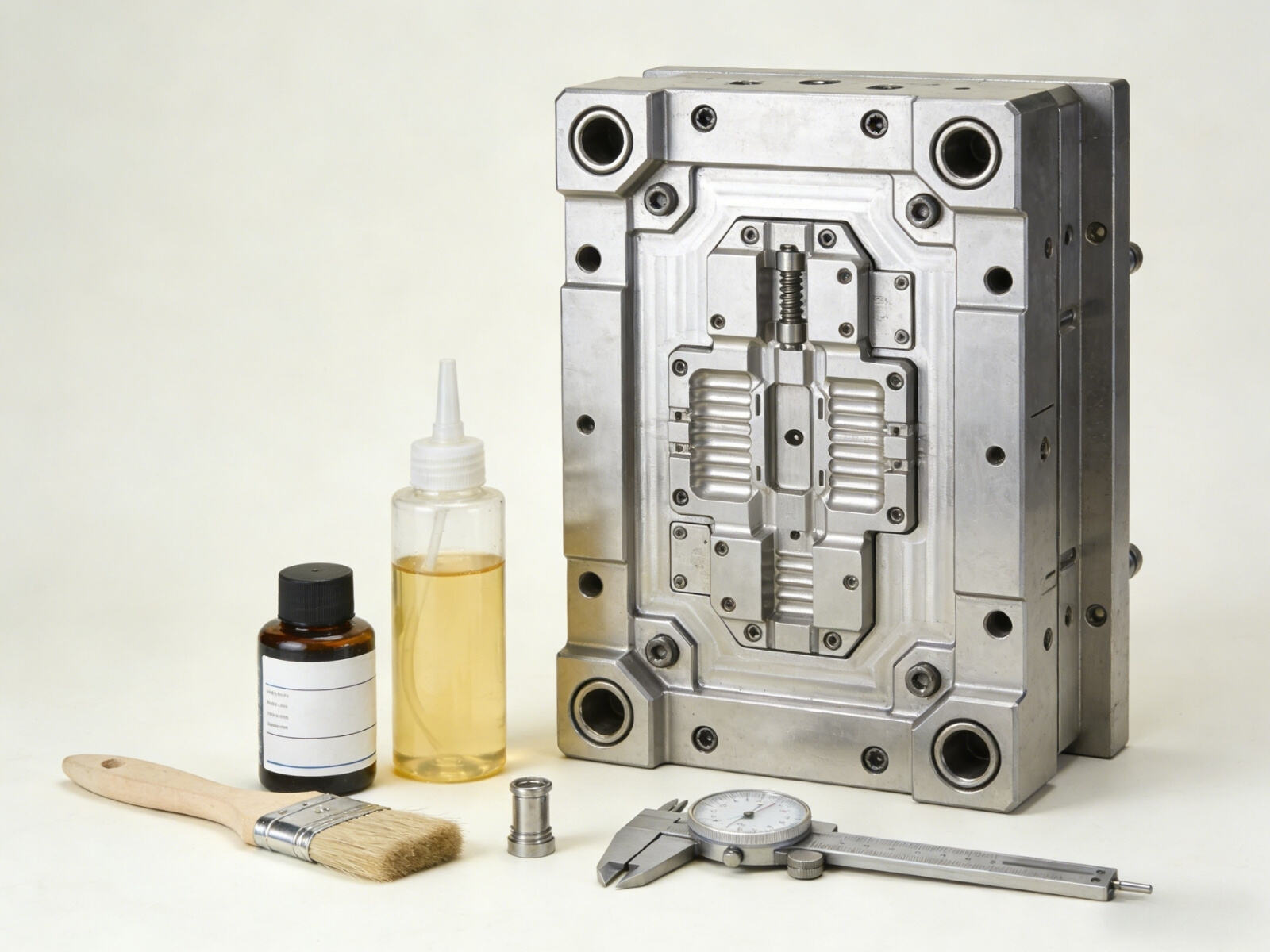
Implement Rigorous Preventive Maintenance for Injection Mold Longevity
Scheduled Cleaning, Lubrication, and Inspection Protocols
Regular cleaning stops residue from building up which speeds up corrosion problems, particularly around vents and cavities where abrasive or acidic resins tend to stick. Lubricating guide pins, ejector systems, and slides on a daily basis cuts down on friction damage and keeps everything running smoothly without unexpected jams. Every 5000 production cycles is a good time to do thorough checks with tools like precision gauges, surface comparators, and those little camera things called borescopes. These inspections catch tiny cracks, alignment issues, or pitting on surfaces before they turn into bigger headaches. Keeping records of how different molds wear over time lets technicians adjust maintenance schedules based on actual conditions instead of just following a fixed calendar. This approach saves money in the long run while keeping equipment performing at its best.
Proactive Component Replacement and Wear Monitoring
It's generally wise to replace those high stress parts like springs, lifters and ejector pins around the 80% mark of their expected lifespan instead of waiting until they actually fail. Modern digital monitoring setups keep an eye on several key indicators as things run: counting how many cycles happen before sending warnings when approaching 95% usage, watching out for temperature swings over about plus or minus 5 degrees Celsius, and detecting unusual vibrations that might signal something rubbing or sticking where it shouldn't. The numbers back this approach up pretty well too. Some research done by manufacturing engineers found that following this kind of proactive maintenance can cut down on total mold breakdowns by roughly two thirds compared to reactive methods. These findings appeared in a respected engineering journal focused on manufacturing practices.
Impact of Consistent Maintenance on Part Quality and Downtime Reduction
When molds are kept according to manufacturer specs, they typically yield around 99.2% flawless parts, whereas reactive maintenance only gets about 87% defect free results. The Ponemon Institute reported back in 2023 that unplanned equipment downtime drains manufacturers roughly $740k each year on average. Facilities that have switched to digital maintenance records though? They experience nearly half as many production stoppages. Proper calibration makes all the difference too. Well maintained molds hold tighter dimensions (about plus or minus 0.05mm instead of 0.15mm) which means these molds last way longer before needing replacement. Some last over 200 thousand cycles without losing their consistency, something that's pretty impressive when considering the wear and tear involved in regular operation.
Optimize Thermal Management to Reduce Injection Mold Stress
Cooling Channel Design and Heat Distribution Optimization
The design of cooling channels plays a major role in managing thermal stress and ensuring good part quality. When engineers work on these designs, they focus on things like channel diameter, how the channels are laid out, and how fast the coolant flows through them. Getting this right helps extract heat evenly from the mold, which prevents problems like warping parts, sink marks forming on surfaces, and those pesky residual stresses building up inside materials. Conformal cooling channels printed in 3D to follow the shape of the actual part can cut down production cycles by around 15 to maybe even 30 percent. These advanced designs also get rid of those annoying hot spots that develop in traditional setups. Putting beryllium copper inserts into areas where heat builds up most makes sense too since this material conducts heat away much better than standard options. Molds equipped with properly designed cooling systems tend to handle about 40% less thermal stress overall. This means parts stay dimensionally stable within roughly plus or minus 0.05 millimeters throughout their lifecycle, and the molds themselves last longer without compromising strength or performance characteristics.
Mitigating Thermal Cycling Damage via Precision Mold Temperature Control
The constant heating and cooling cycles take their toll on molds over time, causing things like tiny cracks, metal sticking issues, and early wear in the cavities. Modern temperature control systems keep mold surfaces stable around +/- 1 degree Celsius by constantly checking temperatures through sensors and adjusting coolant flow as needed. For materials such as polypropylene and PEEK which have unique crystallization properties, slow cooling down is really critical. Without proper ramp down, parts can shrink unevenly when ejected from the mold. Plants that have adopted this kind of temperature management typically see molds lasting about 20-25% longer and experience roughly 15-20% fewer unexpected breakdowns. This shows why getting thermal control right isn't just nice to have it's actually essential if manufacturers want to run their operations efficiently while keeping costs under control.
Select Durable Materials and Protective Coatings for Injection Mold Resilience
Steel vs. Aluminum: Balancing Durability, Cost, and Application Requirements
What materials we pick makes all the difference when it comes to how molds perform, last, and what they ultimately cost over time. Take hardened tool steels like H13, S7, or even top tier options from Uddeholm such as Vanadis. These can handle well over a million cycles in those big production runs where precision matters most, think automotive powertrains or medical devices. But there's a catch. The upfront cost is about 30 to maybe 50 percent more than what we'd pay for aluminum tooling. On the flip side, aluminum alloys such as 7075-T6 conduct heat much better which actually cuts down cycle times somewhere between 15 and 25 percent. Plus they resist corrosion naturally. That's why many manufacturers go with aluminum for prototypes, smaller batches, or situations where getting rid of heat quickly is more important than resisting wear and tear. When deciding what material works best, nobody should just look at the sticker price. Real world factors matter too: how many parts need to be made, how complex each part is, what kind of tolerances are required, and whether looking at the whole life cycle costs makes sense instead of focusing only on initial expenses.
Hard Chrome, Ni-P, and DLC Coatings for Abrasion and Corrosion Resistance
The right surface treatment can really boost how long molds last before needing replacement. Hard chrome plating gives surfaces hardness above 70 HRC which cuts down on wear when dealing with resins filled with abrasives such as those containing glass or minerals. Another option is electroless nickel phosphorus coating that forms a smooth barrier about 15 to 25 microns thick without any pores. This works well against acidic materials like PET and PBT plastics plus protects against rust caused by coolant water. For applications involving sticky polymers including TPEs and PVC, diamond like carbon coatings offer something special. They have very low friction levels below 0.1 coefficient, resist chemicals, and stay hard even under tough conditions. These different coating options together can triple or quadruple the lifespan of molds while keeping their dimensions stable and ensuring parts come out reliably during ejection.
Refine Mold Design and Process Parameters to Minimize Wear
Good mold design combined with strict control over manufacturing parameters helps reduce wear on equipment. When designers focus on proper draft angles, maintain consistent wall thickness throughout parts, and place gates strategically to avoid excessive stress during filling and removal, they significantly cut down on mechanical strain. At the same time, controlling how fast material is injected, managing packing pressures, and adjusting cooling times properly can prevent problems caused by temperature changes and repeated stress cycles. Using scientific methods for molding, especially when supported by experimental design techniques, often finds settings that cut down on surface wear inside molds by around 40%. Industry studies show that getting injection pressures right and optimizing cooling can slash common wear issues like flash marks, sink spots, and size variations by more than half, which tackles about a quarter of early mold failures found in failure investigations. Adding real time monitoring systems lets operators catch small problems before they turn into serious damage. The combination of solid mold shapes and steady production conditions delivers real improvements in how long molds last and how consistent the finished products are.
FAQ
How often should injection molds be cleaned and checked?
Injection molds should undergo regular cleaning and inspection every 5000 production cycles to prevent residue buildup and catch potential issues early.
What are the benefits of proactive replacement of mold components?
Proactive replacement of high-stress components like springs and ejector pins at around 80% of their lifespan can significantly reduce unexpected failures and improve overall efficiency.
How can thermal management improve mold longevity?
Optimizing thermal management through cooling channel design and precision temperature control reduces thermal stress, extending the life of molds.
What materials are best for durable injection molds?
Hardened tool steels are best for durability in high-volume runs, while aluminum alloys are suitable for prototyping and scenarios where heat dissipation is crucial.