 EN
EN

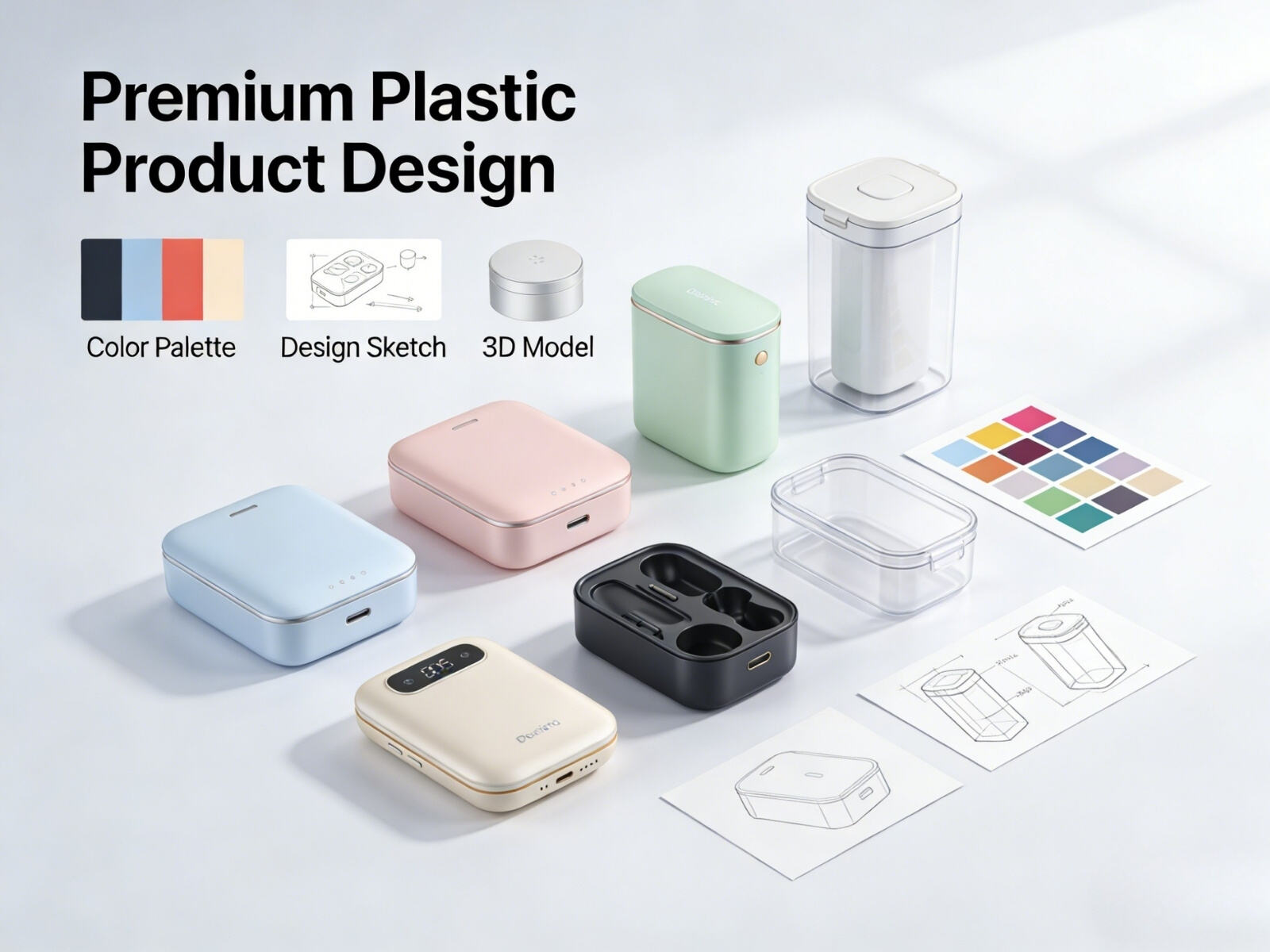
Strategic Surface Finishing for Premium Plastic Products
Chemical Etching, Laser Texturing, and Plasma Treatment for Precision Surface Definition
Chemical etching works by using acid baths to carefully strip away plastic surfaces, creating tiny patterns that can get down to about 10 microns. This makes it great for giving products a matte finish or adding detailed logos. Laser texturing takes a different approach, using either CO2 or fiber lasers to zap material off without touching it, which allows for super fine details around 1200 DPI. Great for things like gradual color changes, slip-resistant surfaces, or those small features that actually serve a purpose. Then there's plasma treatment, where ionized gas basically bombards polymer surfaces to make them stick better to coatings. Some tests show this can boost adhesion by nearly 70%, plus it cleans away mold release stuff without needing harsh chemicals. All these techniques together let manufacturers create features smaller than a micron, something absolutely necessary in medical gear and gadgets we use daily. After all, when surfaces look consistent and clean, people just tend to trust the product more.
EDM and Hybrid Micro-Texturing for Functional-Aesthetic Synergy in Plastic Products
EDM technology creates steel molds with around 5 micrometer accuracy, which means it can transfer really detailed surface textures to plastic parts made through injection molding. Think things like the look of leather grain or the appearance of brushed metal surfaces. Some manufacturers are now mixing different techniques together, combining laser ablation methods with chemical etching processes to create surfaces at multiple scales. For instance, they might put hydrophobic micro patterns underneath bigger decorative designs on products. The results from this combination approach work in two ways at once. Automotive dashboards with these micro grooves reduce glare by about 40 percent but still maintain their glossy finish. Tools designed with fractal grip patterns offer better handling feel without looking weird or unattractive to users.
| Technique | Functional Benefit | Aesthetic Outcome |
|---|---|---|
| EDM Mold Texturing | Enhanced part release | Consistent grain patterns |
| Laser Hybrid | Light diffusion control | Customizable visual depth |
| Plasma + Coating | Scratch resistance | Uniform metallic finishes |
Material and Process Alignment to Achieve Consistent Aesthetics in Plastic Products
Thermoplastics vs. Thermosets: Impact on Gloss, Texture Replication, and Post-Processing Options
ABS and polycarbonate plastics naturally reach gloss levels around 85 to 95 GU, which makes them ideal for creating those shiny, attractive surfaces consumers expect on quality plastic goods. The reason? Their simple linear molecules let them copy mold textures accurately and work well with various finishing techniques like painting, adding metal effects, or laser engraving. Thermosets such as epoxy resins tell a different story though. These materials max out at about 60-70 GU because of their complex cross-linked structure. They don't polish as nicely or capture fine details as effectively, but what they lack in appearance they make up for in staying stable when heated. According to recent industry data from Plastics Today (2023), roughly seven out of ten manufacturers go with thermoplastics when looks matter most. However, many still turn to thermosets whenever parts need to resist warping even if they sacrifice some visual appeal. After molding too, there's a practical difference in how these materials prepare for finishing treatments. Most thermoplastic surfaces take solvent based primers and paints just fine, while thermoset surfaces usually need some sanding or other physical treatment first to get proper adhesion.
Injection Molding Parameters That Directly Influence Surface Quality of Plastic Products
Surface quality in injection-molded plastic products hinges on precise control of three interdependent parameters:
- Mold temperature: Holding at 60–80°C (for polypropylene) prevents flow marks and ensures consistent gloss. Elevated temperatures reduce melt viscosity, improving cavity fill and texture transfer.
- Packing pressure: Applying 50–70% of peak injection pressure counters shrinkage near ribs and bosses, minimizing sink marks.
- Cooling rate: Gradual cooling—such as 1.5°C/second for ABS—mitigates internal stress that leads to hazing or warping.
Deviations exceeding ±5% across these settings increase surface defect rates by up to 40% (Journal of Manufacturing Processes, 2024). In glass-fiber-reinforced plastics, injection speeds below 0.8 m/sec prevent fiber surfacing—a common cause of speckled or inconsistent textures.
Design-for-Aesthetics: Minimizing Visual Disruptions in Plastic Products
Concealing Joints, Fasteners, and Weld Lines Without Compromising Functionality
The whole look and feel of a product starts way back at the design phase rather than just being something added later during finishing work. When designers incorporate snap fits and living hinges into their plans, they can completely get rid of those ugly visible fasteners that most people hate seeing. This approach cuts down on assembly points by about 40 percent compared to old fashioned methods like screws or rivets. For areas where actual joints are necessary, manufacturers focus on creating continuous grain patterns and matching surface textures so that the parting lines basically disappear from view. Weld lines happen when different streams of molten material come together, but smart gate positioning combined with walls that have consistent thickness helps reduce these flaws by around 35%. Keeping draft angles above 1 degree also stops those annoying drag marks from forming during ejection, which maintains the smooth appearance across surfaces. All these techniques ensure products not only look great but hold up well too, making them suitable for everything from sleek phone cases to car dashboards and even sensitive equipment used in hospitals.
Ensuring Batch-to-Batch Aesthetic Consistency Across Plastic Products
Quantitative Quality Control Using ISO 25178 (Texture) and ASTM D523 (Gloss)
Premium plastic products need consistent looks between batches, it's basic stuff really—not some lofty goal manufacturers chase after. Standards like ISO 25178 help measure how surfaces look and feel, tracking things such as average roughness (Sa) and how many peaks there are on a surface. This makes sure that each product feels the same when touched, no matter what batch it comes from. Then there's ASTM D523 which deals with how shiny things appear at different angles measured with special meters. Even small changes in gloss can be spotted by people who know what they're looking for, around 5 points difference is noticeable. Combine these two approaches and they basically eliminate guesswork in quality control. Most plant managers say their rejection rates dropped significantly after implementing them according to recent studies in plastics engineering journals. Lighting matters too during inspections because colors and shine can look different under various lights, something called metamerism that nobody wants ruining their brand image from warehouse to store shelves. These methods work best when connected to computer systems that spot problems instantly and kick off fixes like tweaking pigment amounts or adjusting temperatures in molds, keeping everything looking good across massive production runs.
FAQ
-
What are the main benefits of using chemical etching in surface finishing?
Chemical etching offers precise pattern creation and is particularly effective for matte finishes and detailed logos. -
How does laser texturing differ from chemical etching?
Laser texturing provides high-detail finishes without physical contact, unlike chemical etching which uses acid baths. -
Why are thermoplastics generally preferred over thermosets for aesthetic plastic products?
Thermoplastics offer high gloss levels and precise texture replication, making them ideal for aesthetically demanding products. -
What roles do mold temperature, packing pressure, and cooling rate play in injection molding?
These parameters affect surface quality, influencing factors like gloss, texture transfer, and internal stress.