 EN
EN

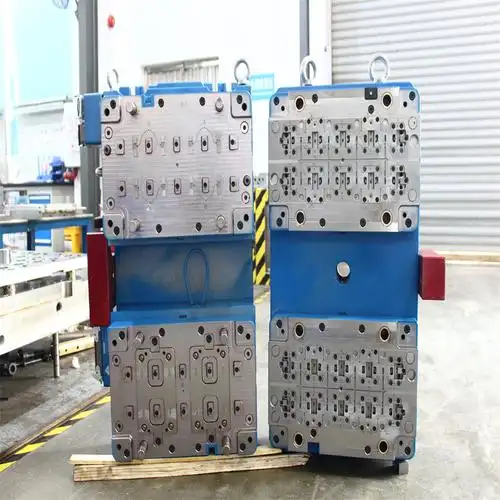
Optimize Part Design for Cost-Efficient Plastic Injection Molding
Simplify geometry and standardize wall thickness to minimize mold complexity and warpage
When parts have simpler shapes, it generally means lower tooling expenses and fewer headaches during manufacturing. Keeping walls at around the same thickness, usually between 1 to 4 millimeters, helps materials flow evenly through molds and cool properly. This prevents those annoying sink marks, empty spaces inside parts, and when things warp after cooling down. The numbers don't lie either. If there's more than a 25% difference in wall thickness somewhere, manufacturers see warpage problems go up threefold and cycle times get longer by about 18%. That happens because heat doesn't spread out evenly throughout the part. Using smart core-out designs can cut back on how much material goes into each piece. Adding ribs where needed keeps everything strong without making parts unnecessarily heavy. Companies that standardize common features across their different products save money on adjusting molds and wasting raw materials. This approach makes sense for both designing new products and running production lines efficiently.
Eliminate undercuts and use core-outs or slide simplifications to shorten cycle time and extend mold life
Those little recessed areas called undercuts that stop parts from coming out straight need expensive side actions or sliding mechanisms in molds. Getting rid of these tricky features means no more complicated mold movements, which cuts down on both maintenance headaches and machine downtime. Core-outs do double duty by making parts lighter (around 15 to 30 percent) while speeding up cooling times, so production cycles get shorter too. When manufacturers simplify slides, they swap those pesky angular or rotating motions for straightforward linear ones. This change alone can slash mold wear by about 40 percent and boost tool life two to three times longer. Combine all these approaches with draft angles over 1 degree and ejection becomes much more reliable. This matters because roughly 12 percent of rejected products come from ejection problems when dealing with complex shapes, something every plant manager wants to avoid.
Select Materials Strategically in Plastic Injection Molding
Match thermoplastic resins to functional requirements, aesthetics, and production volume to balance cost and performance
The choice of materials makes up about half to three quarters of what parts actually cost. When picking resins, manufacturers need to think about several factors at once. First, what kind of mechanical properties are needed? Impact resistance matters for some products, while others require stiffness. Then there's how the product will be used in different environments. Will it face UV light? Chemicals? Extreme temperatures? And let's not forget looks either - does it need to have a certain gloss level or maintain color over time? For everyday items made in large quantities, polypropylene tends to be both affordable and tough enough. But when precision is critical, companies often turn to engineering grade options like PEEK or PEI even though they cost more initially. A common mistake happens when specs get too ambitious. Using something fancy like glass filled PBT instead of regular PP when the simpler option would work just fine can really eat into profits. Industry data suggests this kind of overkill might drain between eighteen thousand to thirty six thousand dollars each year from a single mold operation.
Evaluate total cost of ownership (TCO), including material, processing, and post-molding labor
Total Cost of Ownership isn't just about what materials cost upfront. It also covers things like how much energy gets used, delays from longer cycles, when tools start wearing out faster, plus all those extra steps after molding is done. Take glass filled nylon as an example. Sure, it cuts down on weight around 15%, but the downside? Tools get worn out about 40% quicker which means higher maintenance bills down the road. Many companies have actually lost hundreds of thousands because they didn't factor in all that manual work needed after molding finishes up. The Ponemon Institute reported something like 740 thousand dollars wasted this way back in 2023. That's why running tests on how materials perform throughout their whole life cycle makes sense. Checking processes thoroughly before picking a resin helps ensure whatever gets chosen will actually work well in practice and stay within budget constraints.
Make Smart Mold and Tooling Investment Decisions
Getting the right balance between what we spend at the start versus what we get over time matters a lot when planning mold strategies. How many parts need to be made determines which tool makes sense. Aluminum molds work great for quick prototypes and small batches under about 500 pieces. Steel molds cost more initially but last significantly longer than their softer counterparts, usually around five to seven extra years in service life. Looking at industry data shows that steel becomes cheaper per part once production hits roughly 50 thousand units, even though it costs 40 to 60 percent more upfront. Materials matter too. Molds need to stand up against specific resins, handle temperature changes, and withstand injection pressure without breaking down early. When looking at total costs, don't forget about regular maintenance needs, unexpected shutdowns, and how much waste gets produced alongside those initial purchase prices. Complex shapes often require special designs like multiple cavities or moving parts inside the mold. These features definitely raise the price tag at first, but they pay off faster because they produce more parts at once and reduce the need for additional machining steps later on.
Leverage Automation and Real-Time Process Control in Plastic Injection Molding
Deploy closed-loop monitoring and in-cavity sensors to reduce scrap and sustain quality at scale
In plastic injection molding, closed loop monitoring using in cavity sensors changes everything from just reacting to problems to actually predicting them ahead of time. These advanced systems keep an eye on cavity pressure levels, track melt temperatures as they change, and monitor how the cooling process is going inside the mold. When something starts to go off track, the system catches it right away so adjustments can be made before issues like incomplete fills, sink marks, or warped parts happen. According to manufacturing reports, factories implementing this kind of automation typically see around a 30% drop in waste materials while still keeping product dimensions within strict specifications during mass production runs. The thermal sensors help fine tune cooling times to get rid of those annoying stress points left behind after molding. Meanwhile, pressure readings let the machine adjust injection speeds and holding periods automatically for better consistency in filling molds properly. What's really interesting though is what happens beyond just preventing defects. All this collected data becomes super valuable for maintenance planning too. It spots signs of equipment wear long before anything breaks down completely. This level of control means manufacturers don't have to build in extra safety margins everywhere, which saves money on materials. Quality stays good even when producing large quantities, and operations become much more resilient against unexpected disruptions without needing to spend extra on staff or raw materials.
Frequently Asked Questions
What is the importance of standardizing wall thickness in plastic injection molding?
Standardizing wall thickness helps ensure even material flow through molds and proper cooling, reducing warpage and defects like sink marks.
Why should manufacturers eliminate undercuts in molds?
Eliminating undercuts avoids complex mold movements, reduces maintenance issues, and minimizes machine downtime.
How can thermoplastic resin selection impact production costs?
Choosing the right resin affects material costs, performance, and aesthetics. Over-specifying can lead to unnecessary expenses.
What factors should be considered in Total Cost of Ownership (TCO)?
TCO includes material costs, energy consumption, tool wear, and post-molding labor required for product refinement.
How does automation improve plastic injection molding processes?
Automation through closed-loop monitoring and sensors reduces waste, ensures product quality, and aids in maintenance planning.
Table of Contents
- Optimize Part Design for Cost-Efficient Plastic Injection Molding
- Select Materials Strategically in Plastic Injection Molding
- Make Smart Mold and Tooling Investment Decisions
- Leverage Automation and Real-Time Process Control in Plastic Injection Molding
-
Frequently Asked Questions
- What is the importance of standardizing wall thickness in plastic injection molding?
- Why should manufacturers eliminate undercuts in molds?
- How can thermoplastic resin selection impact production costs?
- What factors should be considered in Total Cost of Ownership (TCO)?
- How does automation improve plastic injection molding processes?