 EN
EN

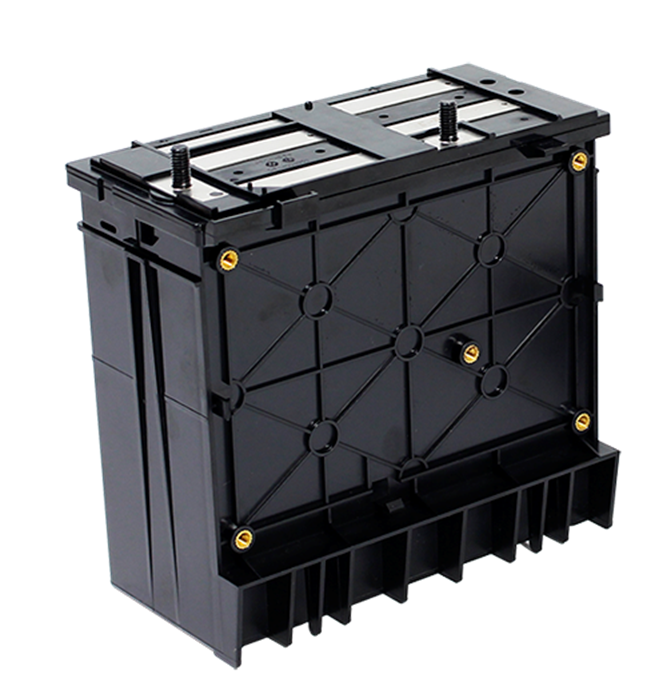
Advanced Materials Enabling High-Performance Plastic Parts
Bio-based and Recycled Polymers in Wind Turbine Housings and Solar Enclosures
The shift toward bio-based polymers and recycled resins is making a big difference in how we build enclosures for renewable energy systems. According to the latest data from the 2024 Renewable Materials Report, these alternatives cut down carbon footprints by around 40% when compared to traditional virgin plastics. What's really impressive is that they still hold up against UV damage and harsh weather conditions needed for solar panel frames. Plus, they meet those tough UL 94 V-0 fire safety requirements that wind turbine manufacturers need for their nacelle components. Many top companies have started incorporating ocean-collected PET blends into their turbine housings. One manufacturer claims they get about 95% material reuse rates without compromising on structural integrity. Take a look at a standard 2 MW turbine housing - it actually contains more than 300 kilograms of reclaimed plastic materials. This not only keeps tons of waste out of landfills but also helps push forward the concept of circular economy practices within the industry.
Carbon Fiber–Reinforced Thermoplastics for Lightweight Structural Plastic Parts
Carbon fiber–reinforced thermoplastics (CFRTP) deliver exceptional strength-to-weight ratios for structural components, enabling 50% mass reduction in turbine blade roots while doubling fatigue resistance versus aluminum. Key applications include:
- EV battery housings: Withstands 15G crash loads at 60% lower mass
- Hydrogen compressor valves: Endures 700-bar pressure cycles
- Solar tracker gears: Maintains dimensional stability across -40°C to 85°C
Material innovation directly improves system efficiency—every 10% weight reduction in rotating components cuts energy losses by 3.2% (Lightweight Alliance 2023).
| Property | CFRTP | Aluminum | Steel |
|---|---|---|---|
| Specific Strength | 380 kN·m/kg | 130 kN·m/kg | 90 kN·m/kg |
| Corrosion Resistance | Excellent | Moderate | Poor |
| Thermal Expansion | 0.5×10⁻⁶/K | 23×10⁻⁶/K | 12×10⁻⁶/K |
| Production CO₂ (kg/kg) | 8.2 | 9.8 | 2.8 |
Data: Composite Materials Annual Review 2023
Precision Manufacturing Processes for Sustainable Plastic Parts
Modern manufacturing techniques are revolutionizing how plastic parts are produced for renewable energy systems—prioritizing resource efficiency, precision, and minimal waste. By integrating advanced technologies, manufacturers reduce environmental impact across the full production lifecycle.
Energy-Efficient Injection Molding with In-Process Recycling
Modern injection molding setups now include real time sprue and runner recovery systems that send the scrap material right back into production. The whole process works like a loop, cutting down on new materials needed somewhere between 15 to maybe even 30 percent. Energy savings are pretty impressive too, around half what traditional methods would consume. Companies have started adding temperature controlled molds to their operations, along with cooling cycles optimized through artificial intelligence. These improvements help maintain product quality across complicated parts such as those used in wind turbines or industrial equipment housing.
Ultrasonic Welding and Robotic Automation for Zero-Defect Multi-Material Plastic Parts Assembly
Ultrasonic welding automation gets rid of glues and screws by making heat right where it's needed through those high frequency vibrations. This process actually creates strong molecular connections between different types of plastics without melting them apart. When we talk about cobots working alongside humans, these machines come with smart vision systems that can align parts down to the micron level. They're putting together all sorts of complex parts now, like those solar inverter cases made from both fire resistant and sun proof materials. The whole system cuts down on mistakes during assembly by something like 90 percent. What's really cool is how this lets manufacturers create designs with multiple materials that just weren't possible before using old school techniques.
Functional Integration: Smart, Multi-Role Plastic Parts in Renewable Systems
Overmolded Conductive Connectors for EV Charging and Solar Inverters
Modern plastic components are getting smarter through a technique called overmolding, where conductive materials get built right into connectors as they're molded. This approach cuts out the need for extra assembly steps when making things like electric vehicle charging ports or connections for solar inverters. According to research published in the Journal of Composites Science last year, these designs can stand up to vibrations better too, showing around a third improvement in durability. What's more, they resist corrosion much better than traditional methods. When companies mix tough plastics such as PEEK with metals that conduct electricity, they end up with parts that carry current safely at voltages as high as 480 volts. And despite all this functionality, these components still keep their IP67 protection rating against dust and water, which is crucial for equipment installed outdoors in harsh conditions.
Sensor-Embedded Plastic Housings Combining Structural Integrity and Electrical Functionality
Modern plastic housings do more than just protect equipment mechanically these days. They actually allow for constant monitoring right where it matters most. Engineers have started embedding tiny sensors directly into things like wind turbine gearboxes and battery cases during the injection molding process. These little gadgets keep track of temperature changes, stress points, and even moisture levels without weakening the housing's strength. Inside some thermoplastic materials such as those based on polyamides, there are conductive paths that carry sensor information out for predictive maintenance work. Field tests show that this setup can slash unexpected downtime by around forty percent in actual renewable energy installations. Plus, these plastic solutions come with built-in electromagnetic interference protection. What's really impressive is how much lighter they make the whole system compared to old school metal casings. We're talking about roughly sixty percent less weight overall when switching from traditional metal options.
FAQ Section
Why are bio-based polymers used in wind turbine housings?
Bio-based polymers are used because they significantly reduce the carbon footprint compared to traditional materials, while maintaining durability against UV damage and harsh weather conditions.
What advantages do carbon fiber–reinforced thermoplastics offer?
Carbon fiber–reinforced thermoplastics offer exceptional strength-to-weight ratios, enabling significant mass reduction and improved fatigue resistance in structural components.
How do modern injection molding processes enhance energy efficiency?
Modern injection molding processes include in-process recycling systems and optimized cooling cycles through artificial intelligence, which reduce the need for new materials and cut energy consumption by half.
How do sensor-embedded plastic housings benefit renewable systems?
Sensor-embedded plastic housings allow for real-time monitoring and predictive maintenance, reducing unexpected downtime and providing electromagnetic interference protection while being lighter than traditional options.