 EN
EN

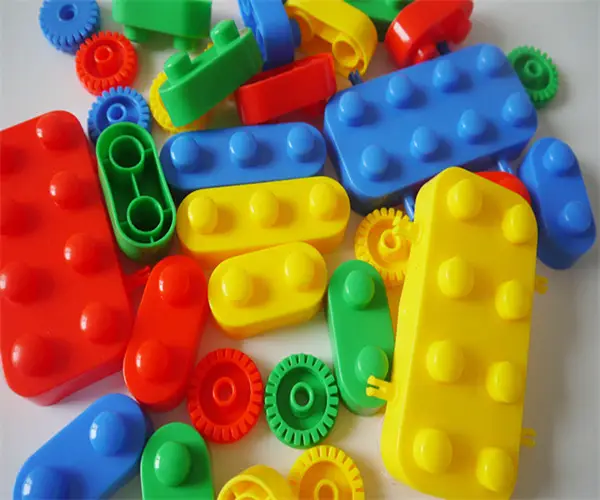
Global Regulatory Compliance for Plastic Products in Toys
ASTM F963, EN71, and CPSIA: Key Standards Governing Plastic Toy Safety
Toy makers face quite a maze when it comes to safety rules around the world. Take the US market first. The ASTM F963 standard focuses on things like keeping small parts bigger than 1.25 inches so kids don't choke. Then there's CPSIA which puts strict caps on harmful chemicals like phthalates and lead in toys meant for children. Across the pond in Europe, the EN71 standard does pretty much the same thing but adds tests for how plastic parts hold up against impacts. Getting these wrong can cost companies big time. Last year alone, the CPSC had to pull 32 different toys off store shelves because they failed chemical tests. While countries have their own twists on these rules (China's GB 6675 actually has tougher limits on formaldehyde than EN71), the main point remains the same: these standards work together to keep kids safe no matter where they play.
Third-Party Testing and CPC Certification for Plastic Products
Getting products certified isn't just paperwork it's actually pretty critical for staying compliant with regulations. Labs that have proper accreditation run all sorts of tests on materials looking for banned chemicals like cadmium and BPA. They also put toys through their paces with stress tests that simulate what happens after several years of rough handling by kids. Plus there's the whole flammability aspect they need to check too. If companies want to sell stuff in America, they've got to produce this thing called a Children's Product Certificate showing they meet those ASTM F963 and CPSIA standards. Most of the time, this involves sending samples off for various analyses including chromatography to spot contaminants, figuring out where materials might break under pressure, and running accelerated aging tests to see how things hold up over time. Big name brands usually go through ISO/IEC 17025 accredited labs because these help streamline getting approvals worldwide. But let's be honest about the price tag here testing each product typically runs between two thousand and five grand. All these checks make sure plastics don't fall apart or leach harmful stuff during normal use throughout their lifespan.
Chemical Safety of Plastic Products: Eliminating Toxic Substances
Banned Chemicals in Plastic Products: Phthalates, BPA, Lead, and Cadmium Limits
Toys made for kids come with strict rules against harmful chemicals in their plastic parts. Take phthalates for instance these plastic softeners that mess with hormone systems they're limited to just 0.1 percent according to both American and European safety standards because they pose real risks during development stages. Then there's BPA, something often found in those hard clear plastics like baby bottles and sippy cups. Pretty much everywhere now, BPA has been banned from anything babies might put in their mouths since heating causes it to escape into food and act like hormones in the body. When it comes to heavy metals, the numbers get really tight. Lead content shouldn't go over 100 parts per million as per US regulations or even lower at 90 ppm under European rules for parts kids can touch. Cadmium gets limited to around 75 ppm in products meeting European standards. What worries experts lately is that all these dangerous stuff still shows up in recycled plastics. This means companies need to check raw materials way earlier than just looking at finished products. Third party tests on incoming materials help spot problems before they ever reach the factory floor.
Safer Plastic Materials: ABS, TPR, and EVA for Age-Safe Toy Manufacturing
More toy companies are turning to stable plastics that don't need those risky additives people worry about these days. Take ABS plastic for instance. It's pretty tough stuff that won't break easily, and best part? No phthalates added. That makes it great for construction sets and other toys kids might drop repeatedly. Then there's TPR material which bends but doesn't tear when little hands get grabby during playtime. The good news is manufacturers aren't putting those metal-based stabilizers into this stuff either. And EVA foam stands out because it handles sunlight exposure and survives countless baths without breaking down. Parents love seeing their bath time toys last so long without any toxic chemicals leaching out. These materials actually go through special testing where they simulate decades of wear and tear in just weeks. What we find is very little chemical transfer happens over time. With all these advances, toy makers are cutting back on those unstable additives that can cause problems later on. This shift matches what parents want worldwide these days: safer materials that still work well for different age groups.
Physical and Mechanical Integrity of Plastic Products
Choking, Brittleness, and Degradation Risks in Plastic Toy Design
Making toys safe for kids means thinking ahead about the dangers that come with plastic materials. Choking is still a big worry, which is why there are specific size rules set by ASTM F963 for small parts meant for toddlers. Some plastics get really fragile when hit hard. Take regular polystyrene for example it can crack easily during normal play, creating dangerous sharp edges. The materials also break down over time. Sunlight makes them weaker after months outside, and all that washing in daycare centers speeds up chemicals getting out of the plastic. Companies test their products thoroughly using methods that simulate real world use. They check how strong things are when pulled apart (ASTM D638 standard), run aging tests to see what happens over years, and do pull tests on parts that stay attached. Choosing the right materials matters a lot. Thermoplastic elastomers stay flexible even when temperatures change, whereas ABS plastic stands up better to impacts. Good design choices matter too. Getting rid of those annoying pinch spots between parts and making sure walls aren't too thin helps prevent cracks from forming before little hands ever touch them.
Long-Term Safety Performance of Plastic Products Under Real-World Conditions
Leaching, UV Degradation, and Cleaning Agent Effects on Plastic Product Safety
The plastics used in kids' toys continue to present environmental problems that impact safety at every stage of their life. When plastics come into contact with heat, saliva, or get used over time, they tend to release chemicals like phthalates or other banned substances into children's bodies. This process called leaching gets worse under these conditions. Exposure to sunlight causes something called photodegradation which makes plastic weaker. After about 18 months outside, impact resistance drops around 40%, making fractures much more likely. Another big problem comes from cleaning products. Many common household disinfectants actually create what's known as environmental stress cracking in certain types of plastic. These tiny cracks become breeding grounds for bacteria. Testing standards like ASTM D543 help manufacturers see how materials hold up over time by speeding up the aging process. Companies should really focus on materials that pass these tests, especially ones like UV stabilized polypropylene. Just because a product meets basic safety requirements doesn't mean it will stay safe forever.
FAQ
1. What are key safety standards for plastic toys?
Key safety standards for plastic toys include ASTM F963 and CPSIA in the US, and EN71 in Europe, which cover aspects like chemical safety, material durability, and mechanical integrity.
2. Why is third-party testing important for toy manufacturers?
Third-party testing is important to ensure compliance with global safety standards, identify harmful chemicals like phthalates and lead, and verify the durability and safety of toy materials.
3. What are some safer plastic materials used in toys?
Safer plastic materials commonly used in toys include ABS, TPR, and EVA, which do not require harmful additives and are more stable and durable for children's use.
4. How does sunlight affect the safety of plastic toys over time?
Sunlight exposure causes photodegradation, weakening the plastic and potentially making it more prone to fractures and the release of chemicals into the environment.
5. Can cleaning agents affect the integrity of plastic toys?
Yes, some cleaning agents can cause environmental stress cracking in certain plastics, leading to small fractures that increase the risk of bacterial contamination.